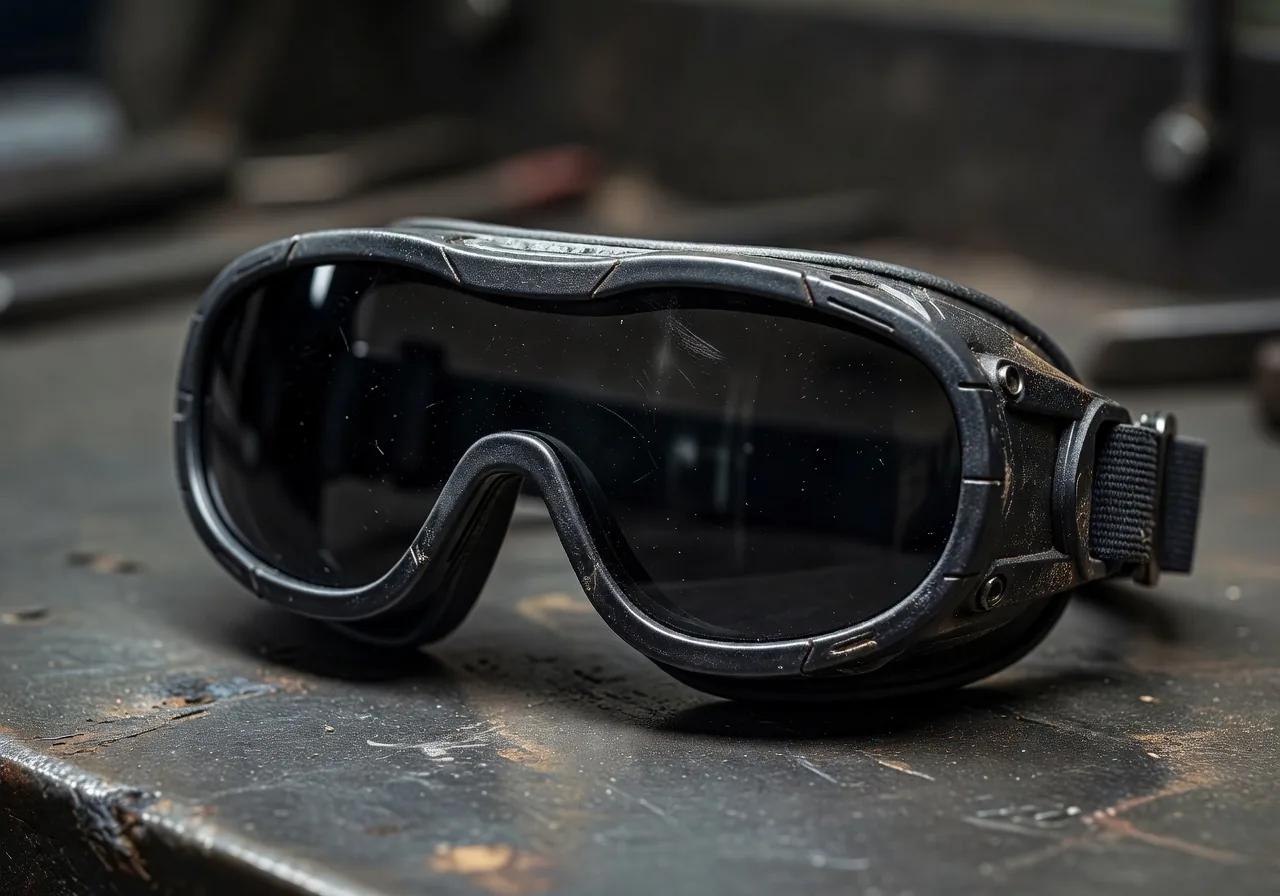
Optical Hazards
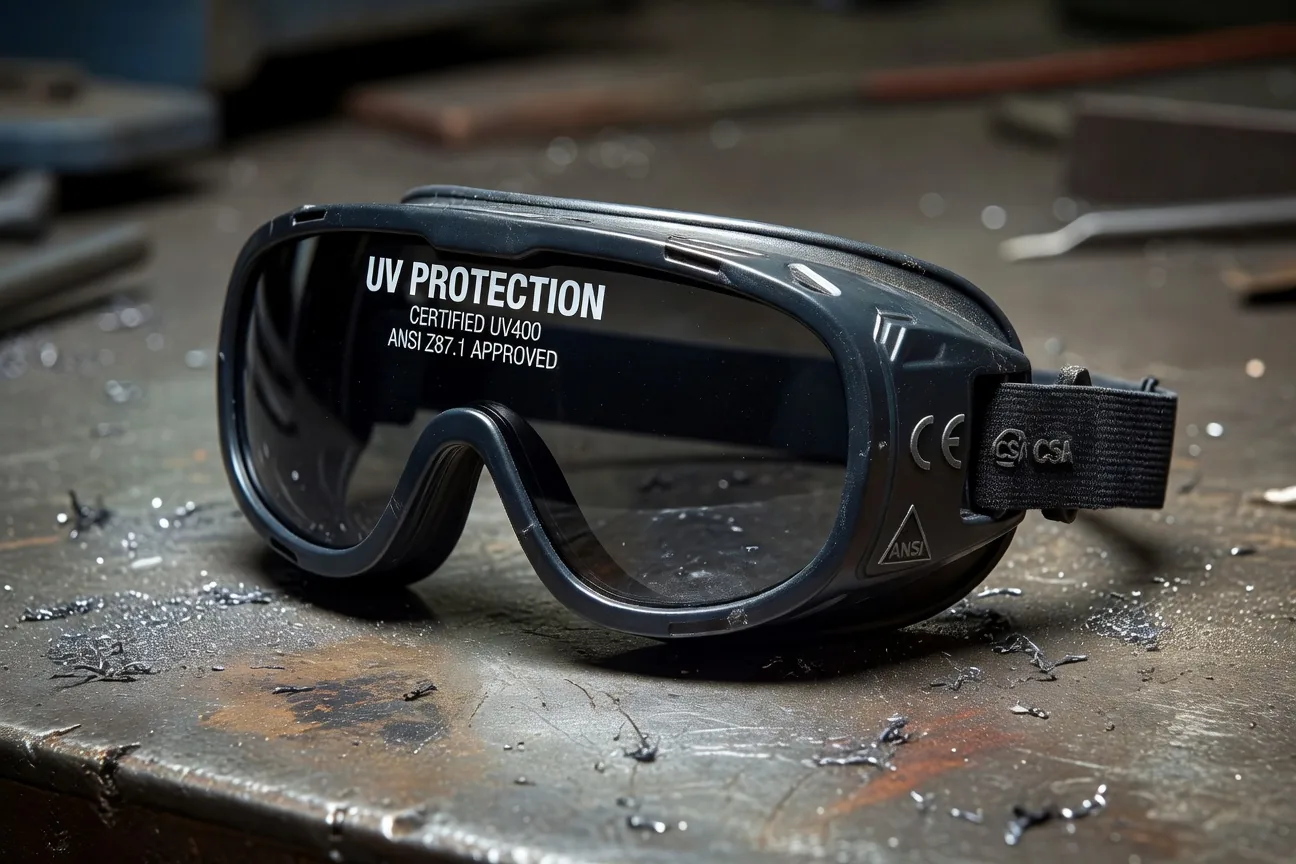
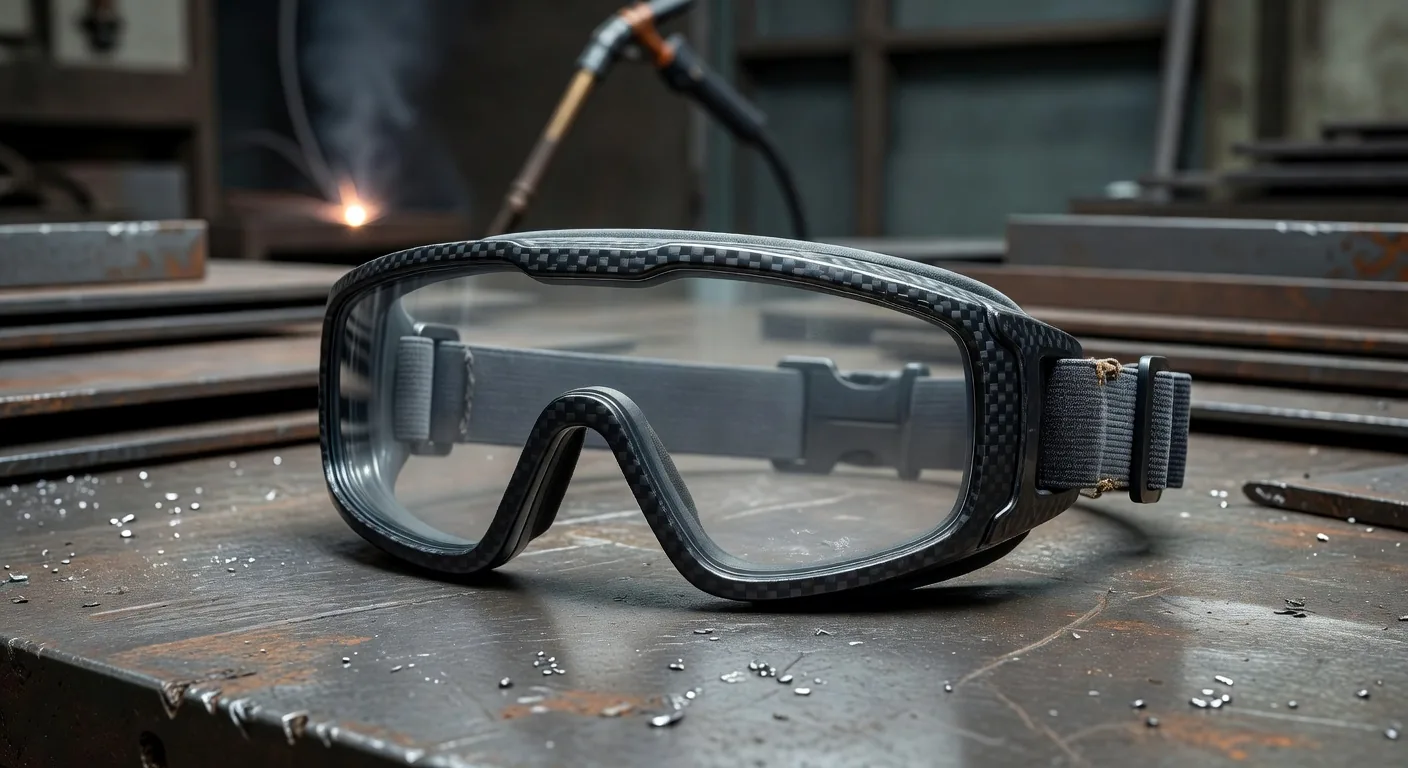
UV, IR, and intense visible light from welding arcs. Protective eyewear rated for the specific process should be used by all persons within the arc flash zone.
Educational information on organizing a safer welding workspace, recognizing common hazards, and developing responsible workshop habits.
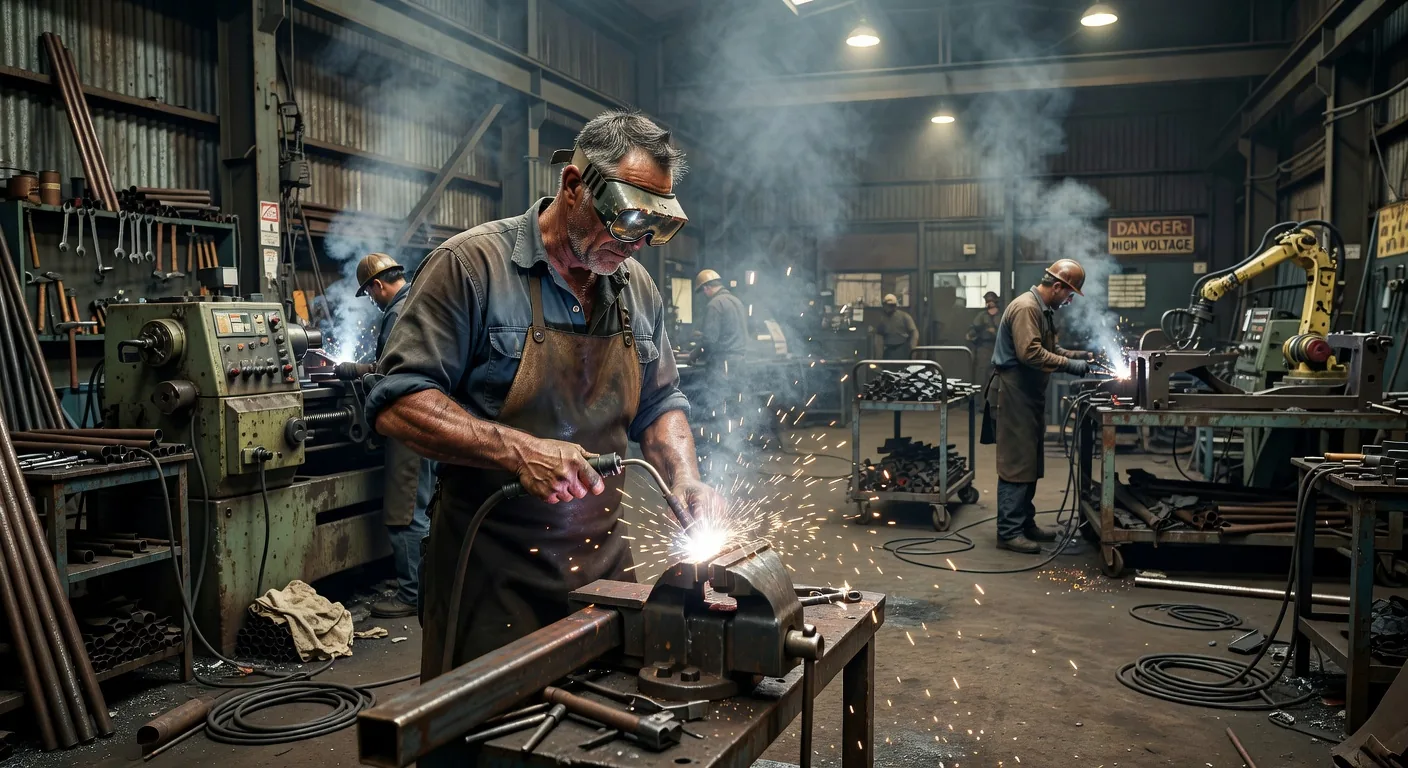
A welding workshop presents multiple environmental considerations that workers should understand. These include optical hazards from arc radiation, fire and heat risks from spatter, air quality concerns from welding fumes, and physical hazards from equipment and materials.
Developing good organizational habits and situational awareness in the workshop contributes to a more controlled and predictable working environment for all personnel.
Important: Workshop safety requirements are subject to local regulations, industry standards, and employer policies. This content is educational and does not substitute for formal safety training or regulatory compliance.
Understanding the general categories of hazards present in welding environments is a foundational element of workplace safety awareness.
UV, IR, and intense visible light from welding arcs. Protective eyewear rated for the specific process should be used by all persons within the arc flash zone.
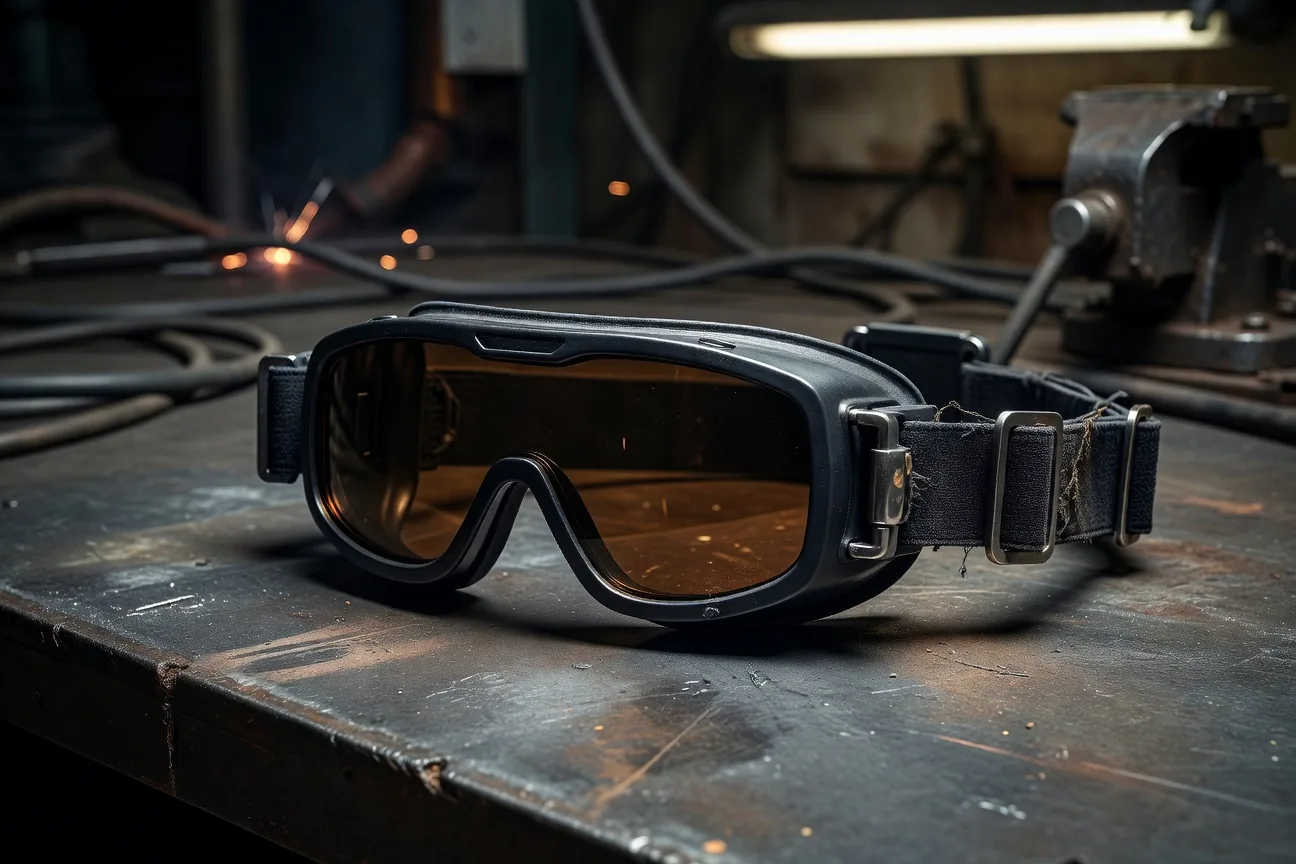
Spatter and sparks can travel significant distances. Combustible materials should be removed or shielded from the work area, and appropriate heat-resistant clothing worn.
Welding generates metallic fumes and gases that vary by material and process. Adequate ventilation is a standard consideration in welding workspace design.
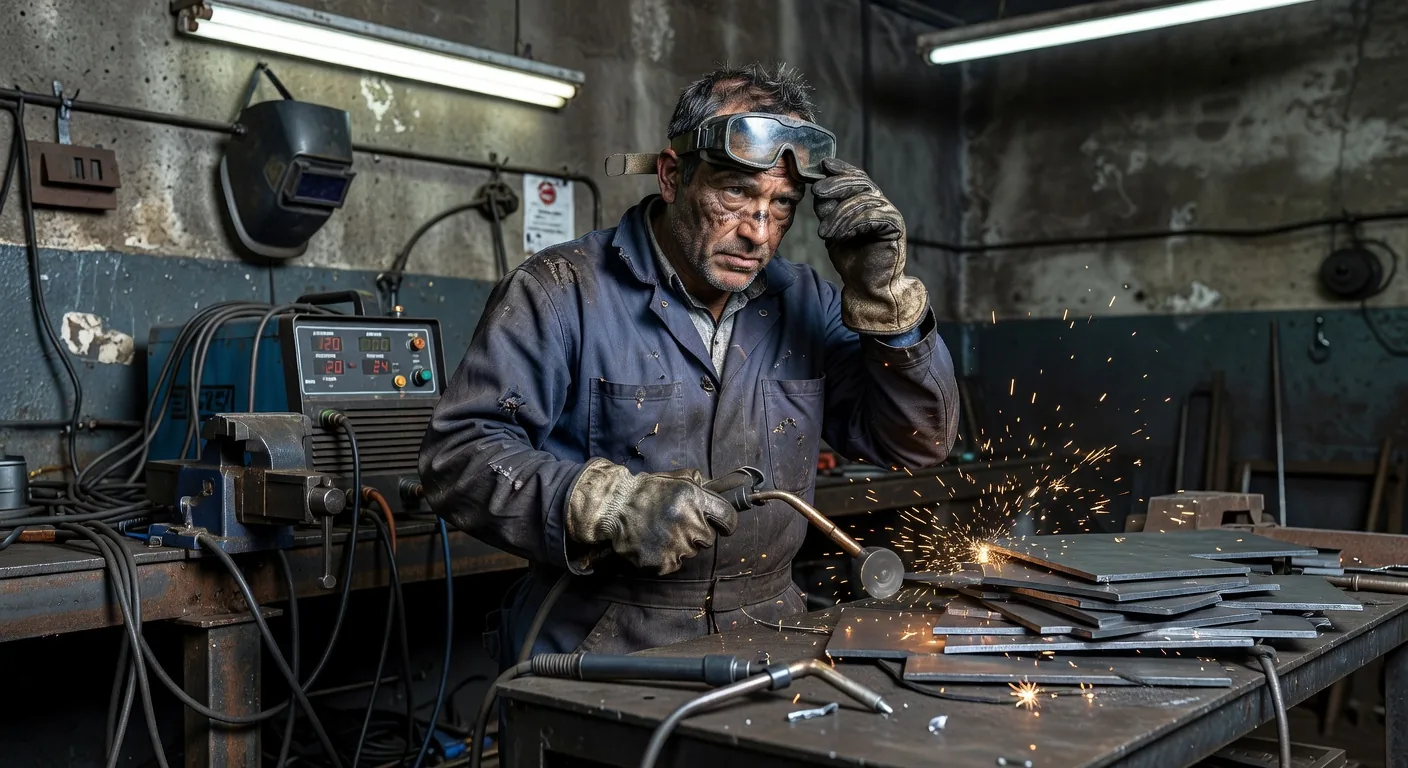
Welding equipment uses electrical power. Proper equipment maintenance, grounding, and cable inspection are part of general electrical safety practices.

Hot metals, sharp edges, and heavy equipment present physical injury risks. Appropriate footwear, gloves, and general body protection are part of standard workshop PPE.
Some welding and grinding operations generate significant noise. Hearing protection may be appropriate in certain environments, depending on duration and intensity.
How a workshop is organized can influence both efficiency and safety awareness. The following are general organizational considerations common in welding safety education materials.
Establishing clear areas for welding, grinding, material storage, and finished work helps reduce confusion and accidental exposure to hazards.
Unobstructed movement paths allow personnel to exit quickly if needed and reduce trip hazards during normal operations.
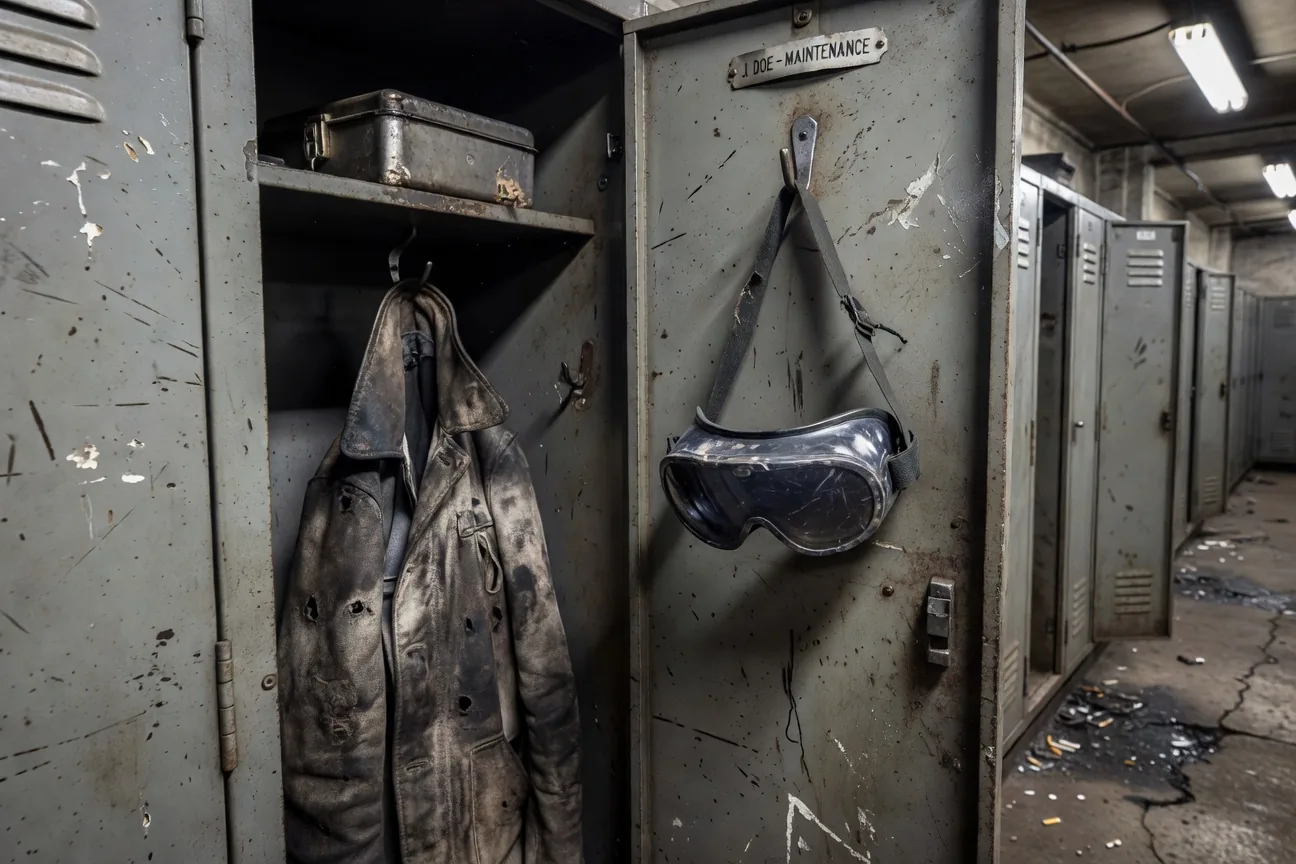
Protective equipment should be stored in clean, accessible locations to encourage consistent use. Equipment stored out of reach is less likely to be used regularly.
Ensure the workspace has appropriate airflow for the type of welding performed. Local exhaust systems may be used to capture fumes near the source.
Cables, hoses, connections, and PPE items should be inspected regularly for wear or damage and replaced according to manufacturer guidelines.
In workshops where multiple workers share a space, additional considerations apply to protect non-welding personnel from arc radiation and spatter.
Physical barriers using UV-blocking materials can limit arc flash exposure for personnel in adjacent areas. Welding curtains and screens are common fixtures in multi-user workshops.
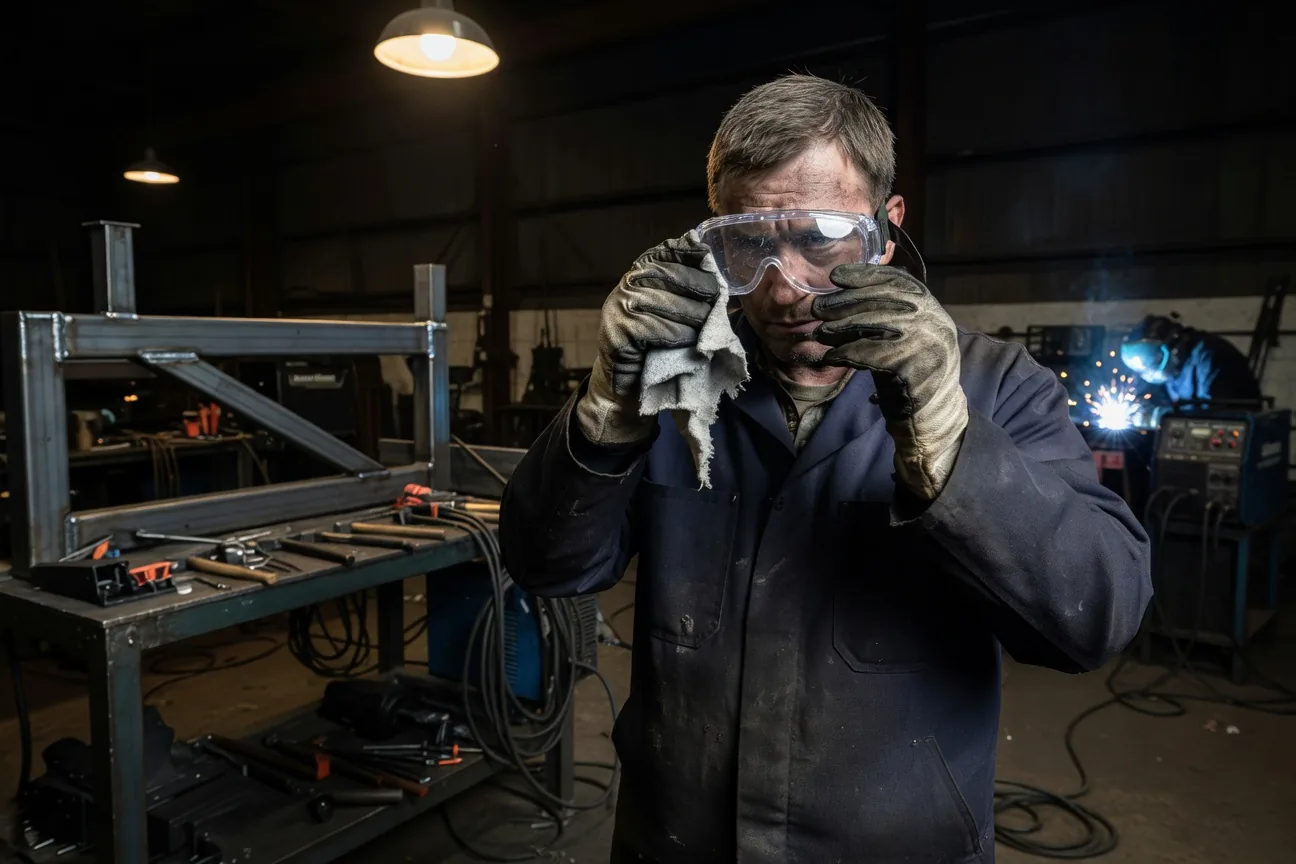
Clear visual indicators (floor markings, barriers, or signage) help other workers identify active welding zones and avoid entering without appropriate eye protection.
Welding screen specifications and workplace demarcation requirements vary by jurisdiction. Refer to applicable occupational health and safety regulations and your employer's site-specific requirements.