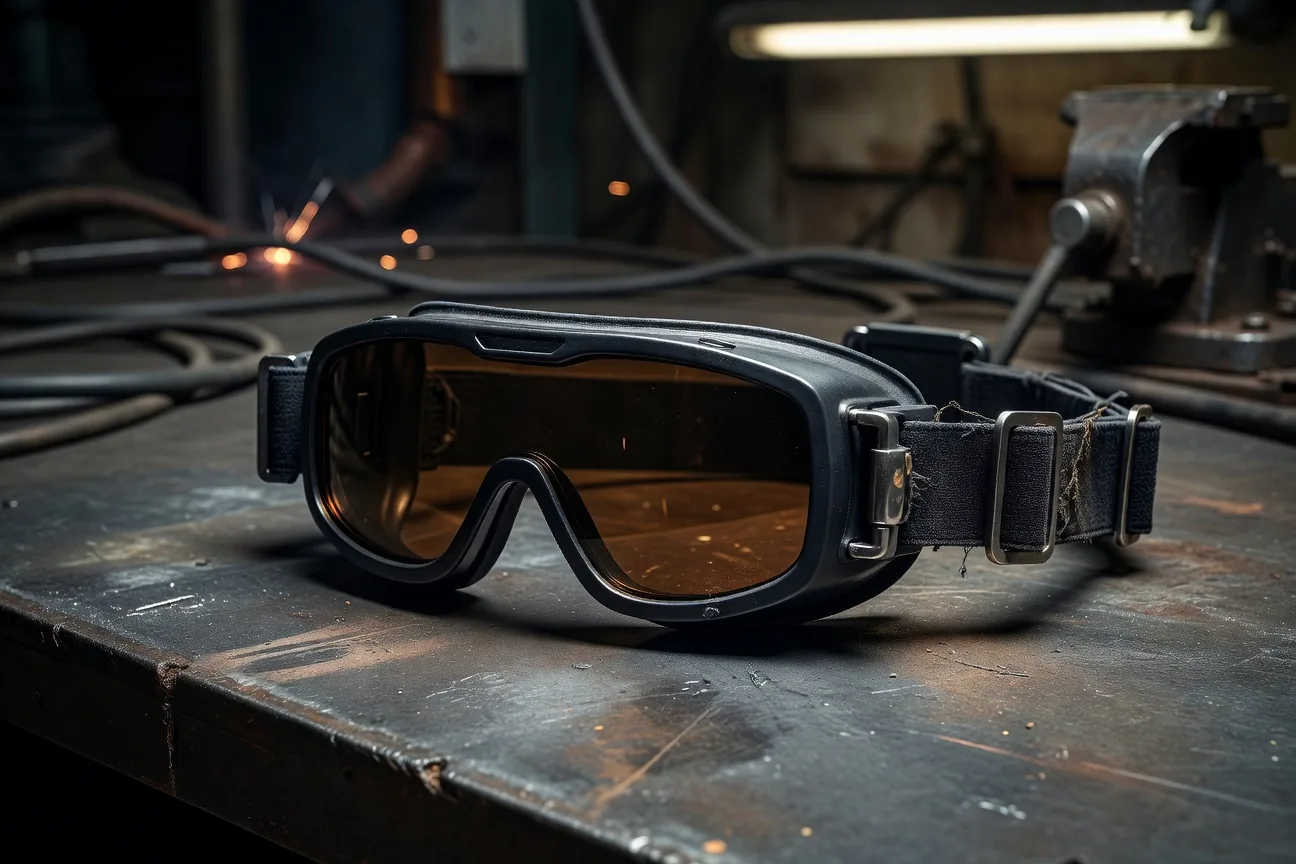
Ultraviolet (UV) Radiation
Emitted by welding arcs at wavelengths typically between 100–400 nm. UV exposure to unprotected eyes can cause temporary discomfort and irritation, sometimes called "arc eye" or photokeratitis.
An educational overview of optical hazards in welding environments and the types of protective eyewear commonly used by industrial workers.
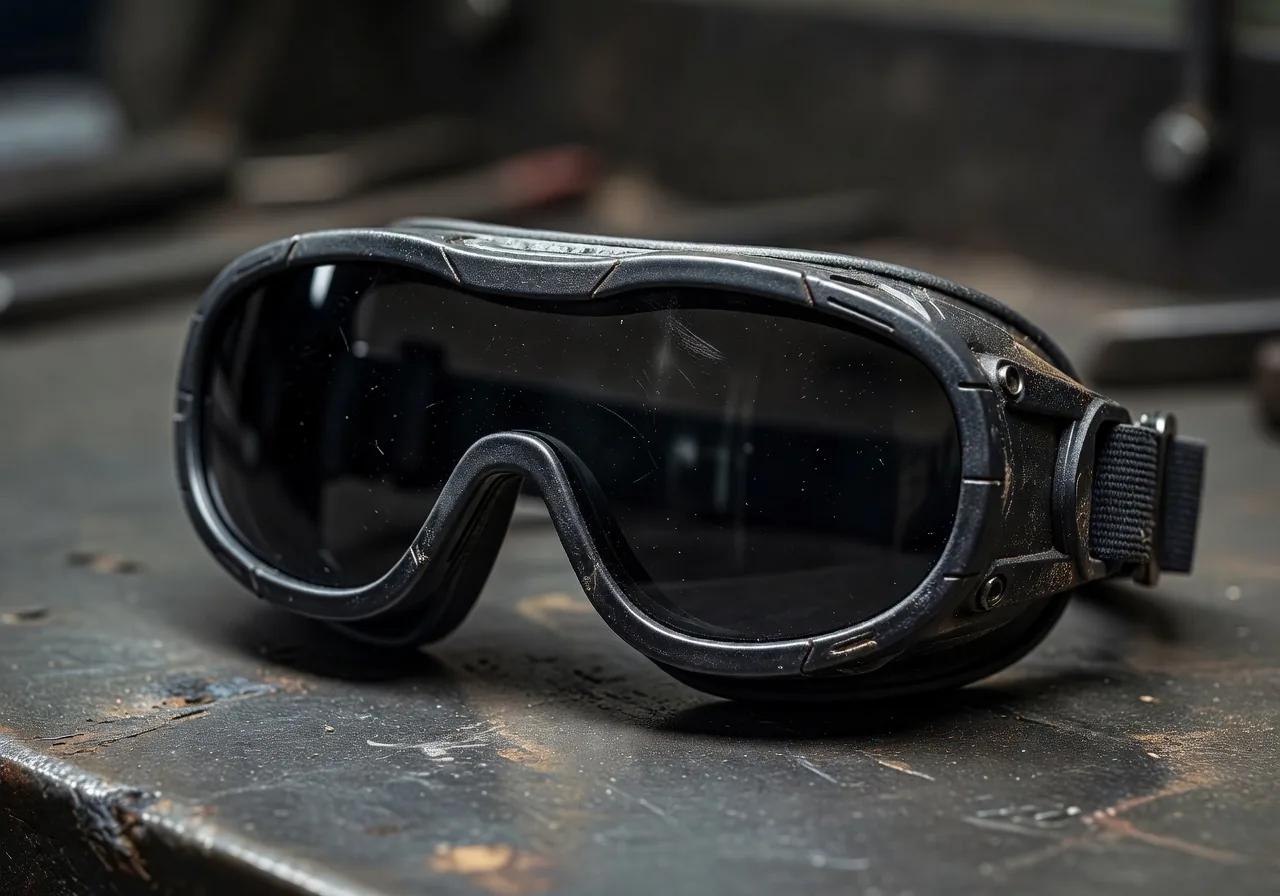
Welding processes generate several forms of potentially harmful optical radiation, including ultraviolet (UV), infrared (IR), and intense visible light. Without appropriate eye protection, prolonged exposure to these emissions may cause discomfort and eye strain.
Eye protection used in welding environments is typically designed to filter specific wavelengths of light and reduce glare, helping workers maintain visual clarity while reducing exposure to optical hazards.
Always consult your employer's safety guidelines and equipment manufacturer documentation when selecting protective eyewear for your specific work environment.
Welding arcs and flames emit several forms of radiation. Understanding each type helps explain the design of protective eyewear.
Emitted by welding arcs at wavelengths typically between 100–400 nm. UV exposure to unprotected eyes can cause temporary discomfort and irritation, sometimes called "arc eye" or photokeratitis.
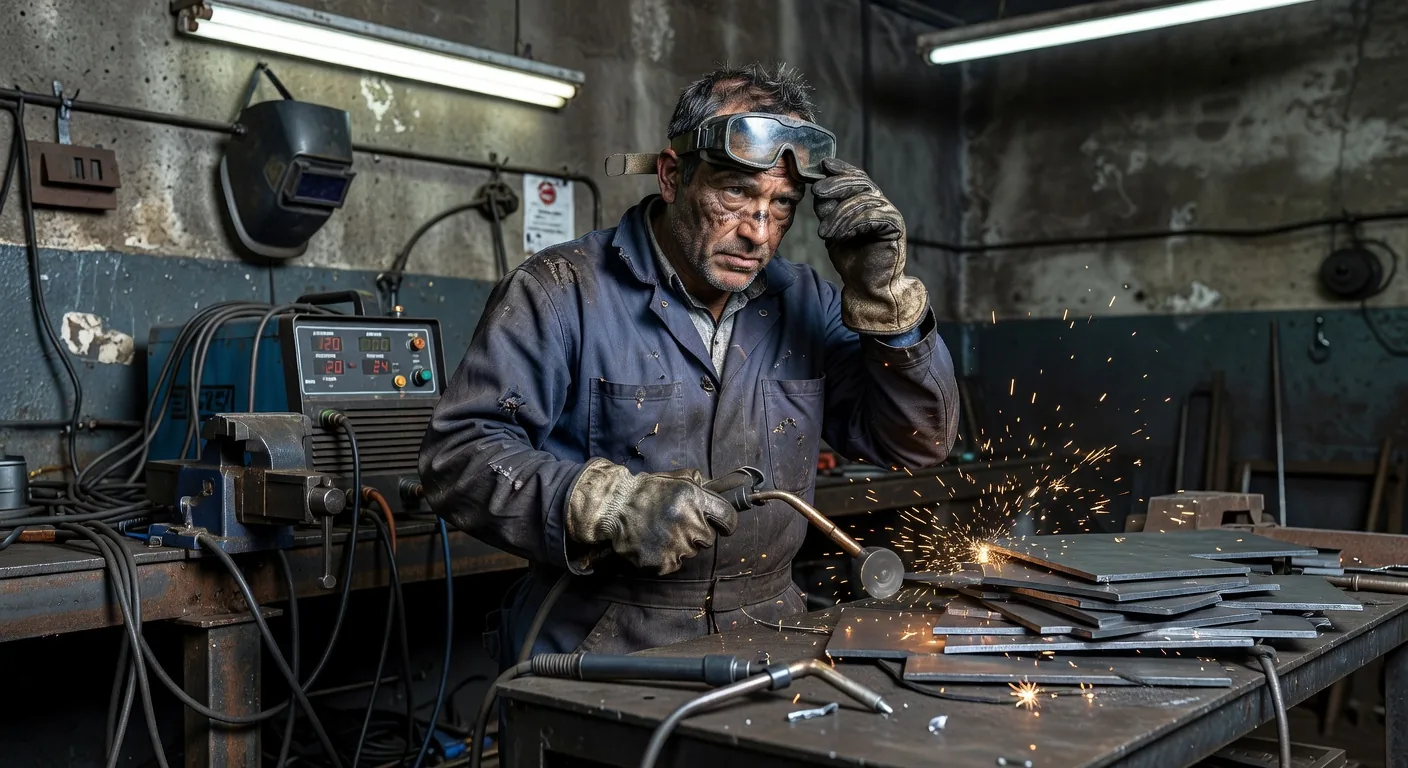
Generated as heat radiation from the welding arc and molten metal. IR radiation at wavelengths above 780 nm can cause lens and retinal discomfort with extended unprotected exposure.
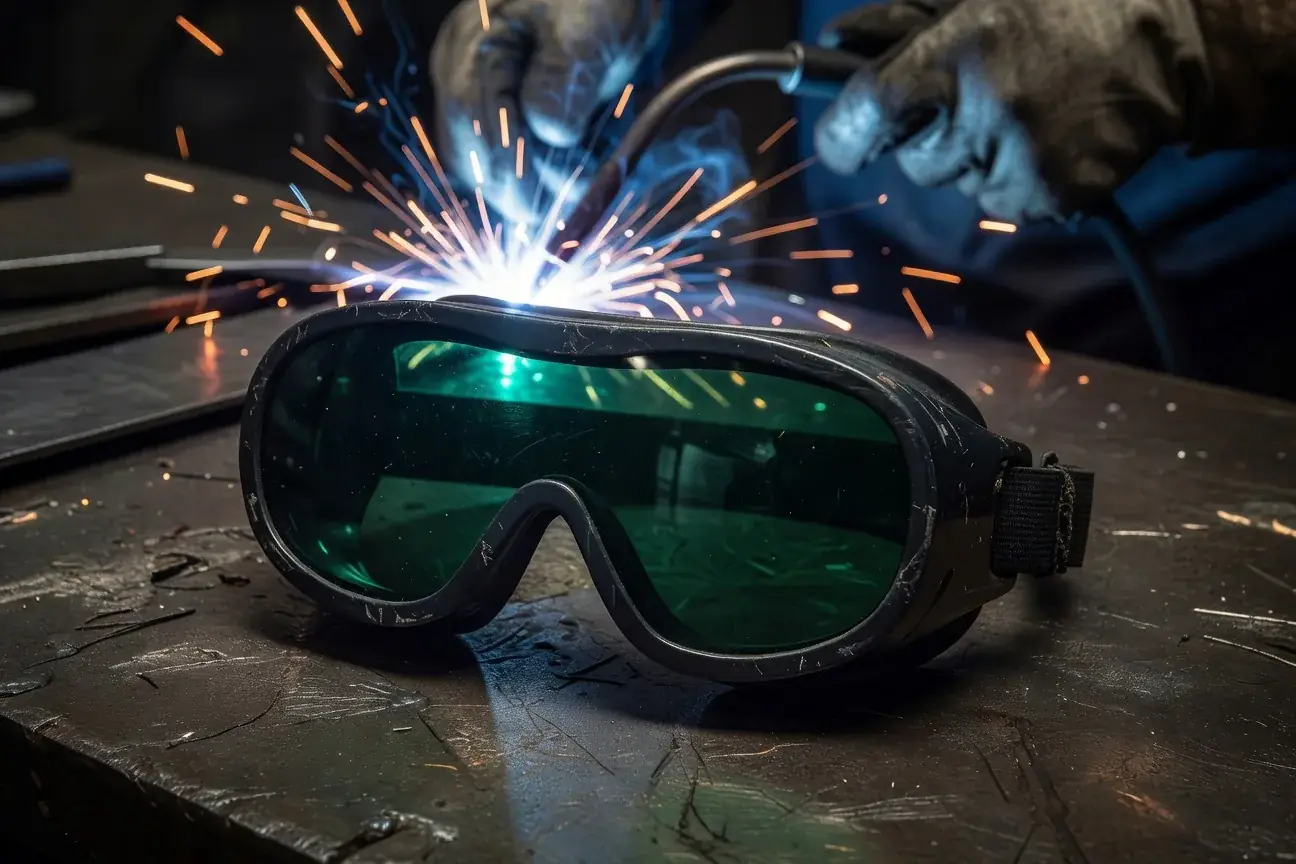
The bright arc light produced during welding can cause glare and visual fatigue. Appropriate shade lenses reduce the intensity of visible light reaching the eye to a comfortable level.
Lens shade numbers indicate the optical density of a filter lens — higher numbers provide greater light reduction. The following table shows general reference ranges commonly discussed in welding safety literature.
| Welding Operation Type | General Shade Range | Notes | Coverage Type |
|---|---|---|---|
| Gas Welding (Light) | Shade 4–5 | Lower amperage, smaller flame | Goggles |
| Gas Welding (Heavy) | Shade 6–8 | Larger flame, more radiation | Goggles |
| MIG/MAG Welding | Shade 10–11 | Common in fabrication shops | Helmet/Shield |
| Stick (SMAW) Welding | Shade 10–12 | Varies with amperage | Helmet/Shield |
| TIG (GTAW) Welding | Shade 10–14 | Precise arc control needed | Helmet/Shield |
| Plasma Arc Cutting | Shade 8–12 | Depending on amperage level | Specialty |
| Torch Brazing / Soldering | Shade 3–4 | Lower heat applications | Goggles |
These shade ranges are general educational references. Always consult applicable workplace safety standards, equipment manufacturers, and qualified safety professionals for specific recommendations.
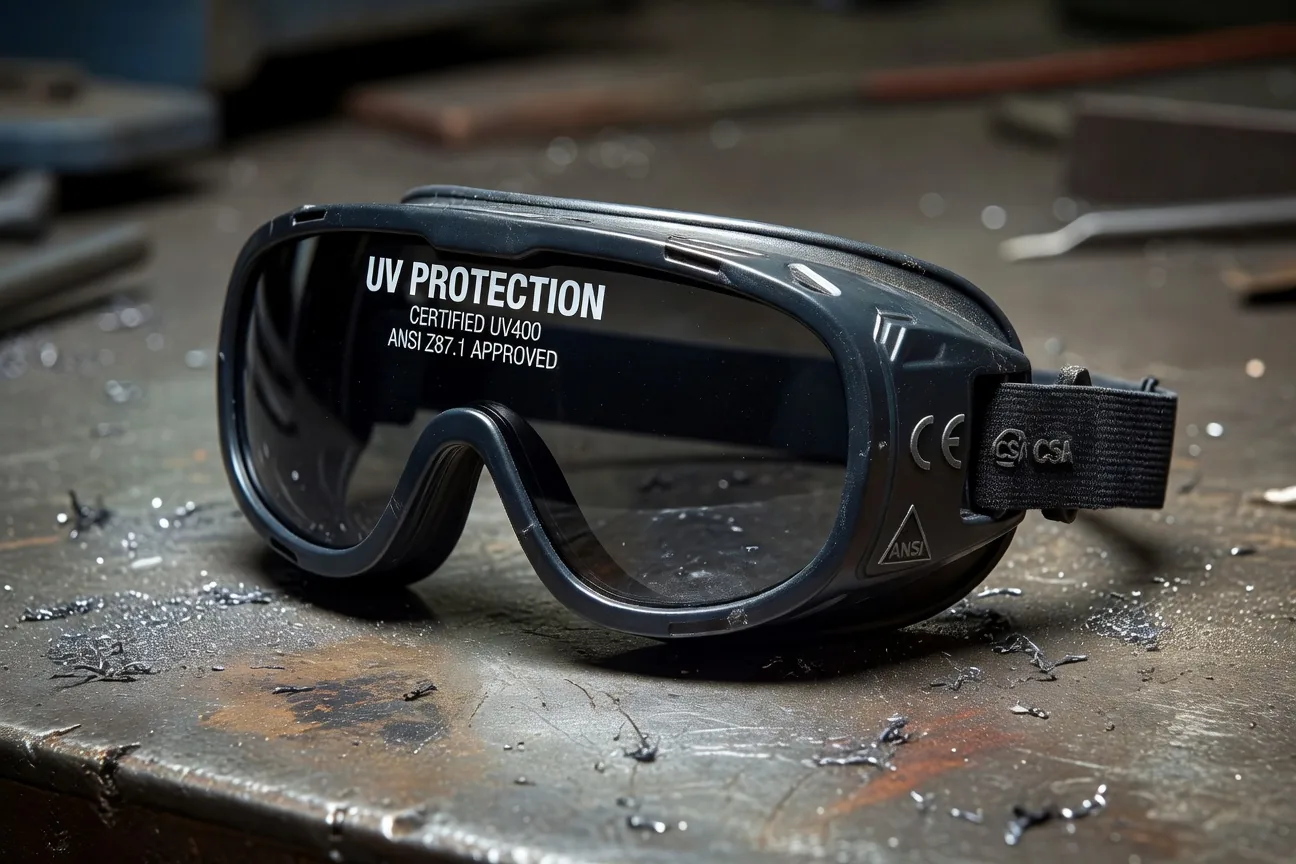
Protective lenses for welding applications are evaluated based on several optical and physical properties. Understanding these characteristics can help workers ask informed questions when selecting equipment.
Keeping protective eyewear in good condition helps maintain its functionality over time.
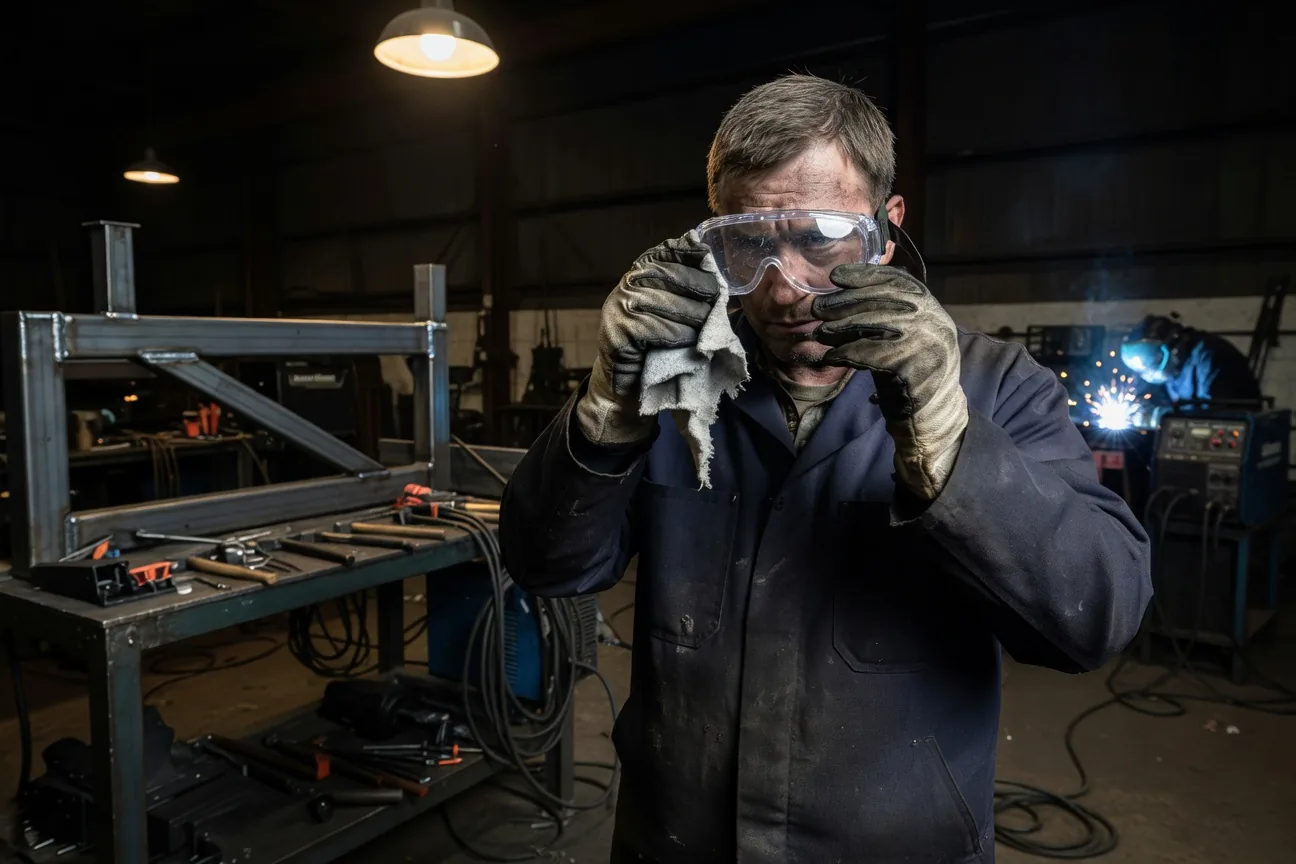
Use a soft, lint-free cloth to gently clean lens surfaces. Avoid abrasive materials that may scratch optical coatings. Follow the manufacturer's cleaning recommendations.

Store goggles and shields in a protective case when not in use to prevent scratches, dust accumulation, and accidental lens damage.
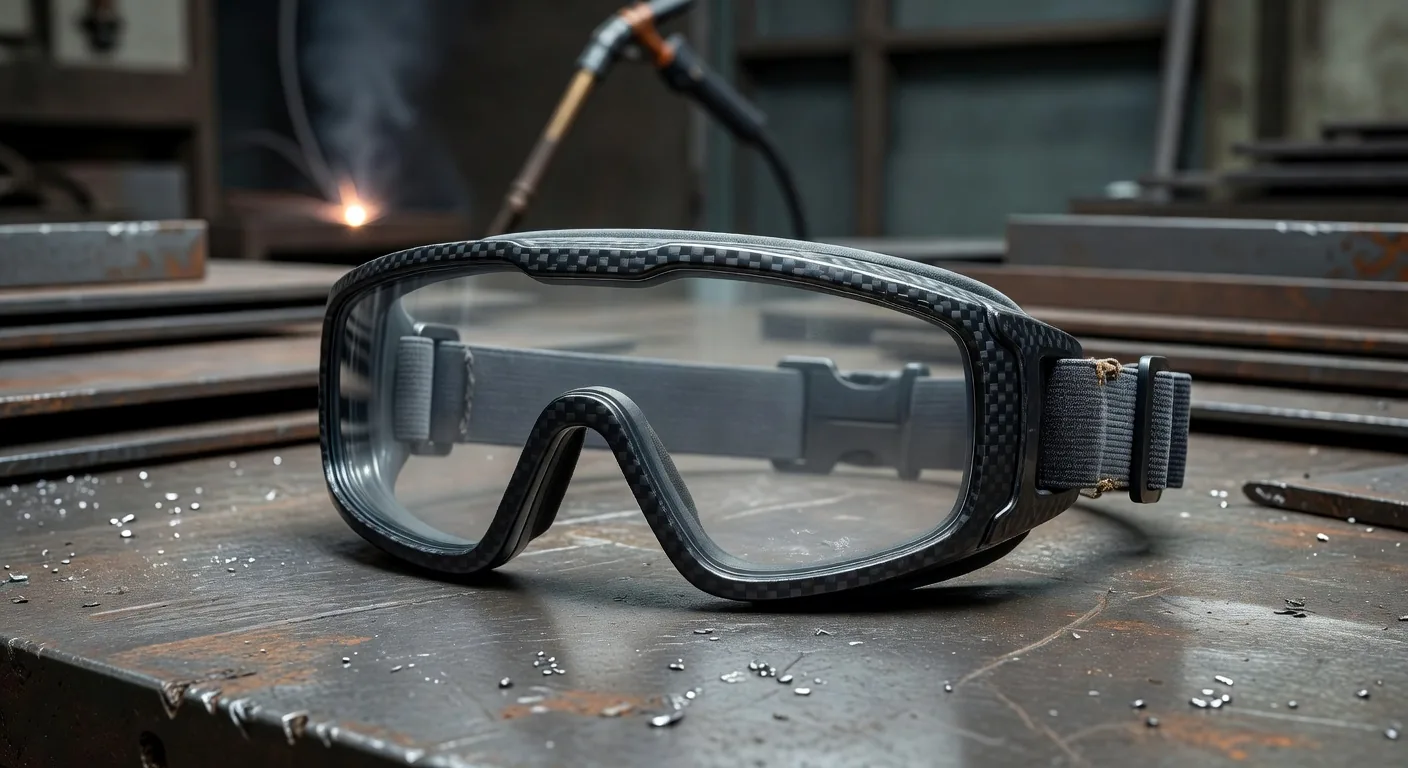
Before each use, inspect lenses and frames for cracks, scratches, or distortion that could compromise optical quality or structural integrity.