Home Eye Protection Helmet Guide Workshop Safety Equipment Safe Environments Educational Content About FAQ Contact
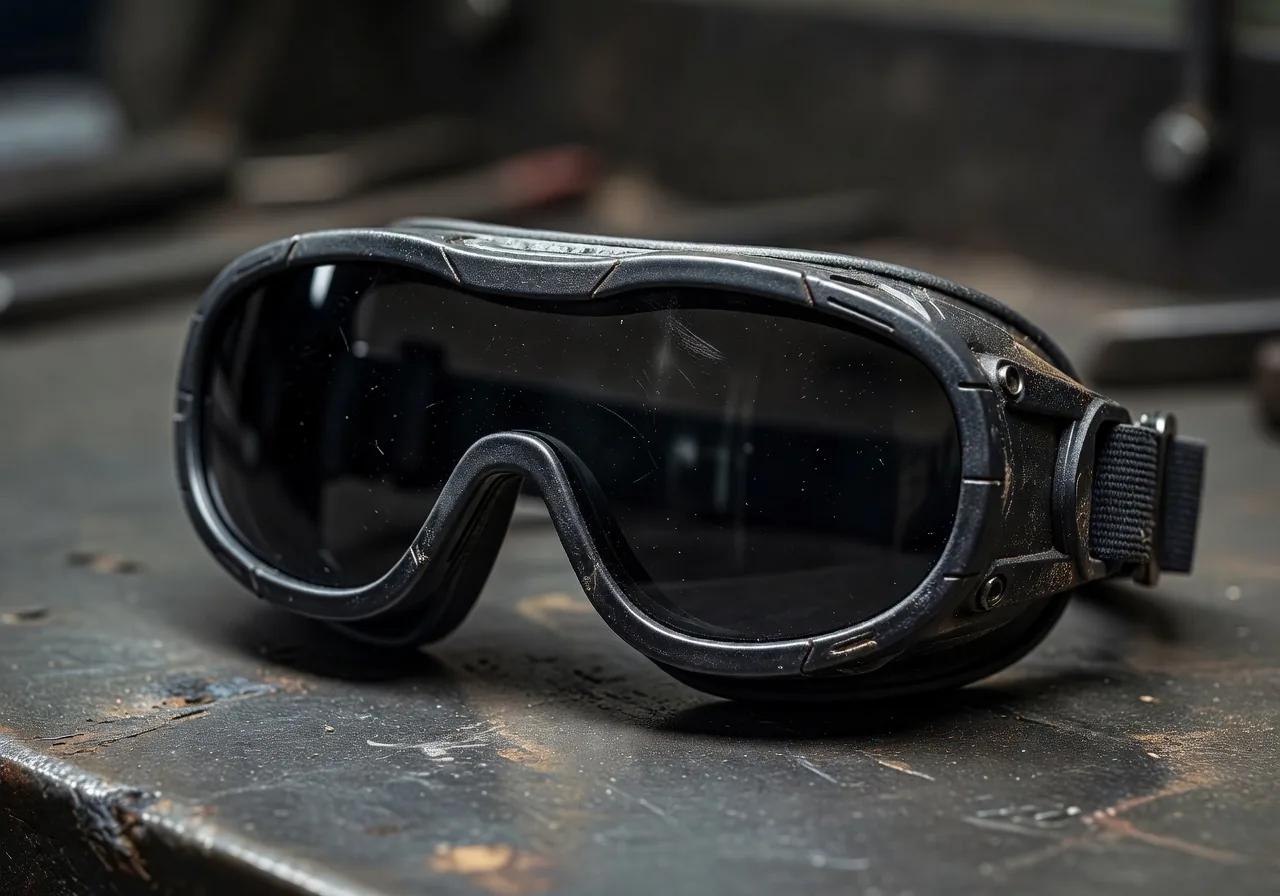
Professional welding safety goggles displayed for equipment reference

Understanding Welding Personal Protective Equipment

Personal protective equipment (PPE) in welding environments typically encompasses multiple categories of protection, addressing the eyes, face, head, hands, body, and respiratory system.

Selecting appropriate PPE for a given task involves understanding both the nature of the hazards present and the protection characteristics of available equipment options. This page provides general educational context for each major PPE category.

📋

PPE requirements are determined by applicable regulations, workplace risk assessments, and employer policies. Always follow the specific requirements of your workplace and consult manufacturer documentation for proper use guidance.

Eye and Face Protective Equipment

Eye and face protection is a central component of welding PPE. Several distinct types of equipment are used depending on the task and process.

Eye and Face Protective Equipment

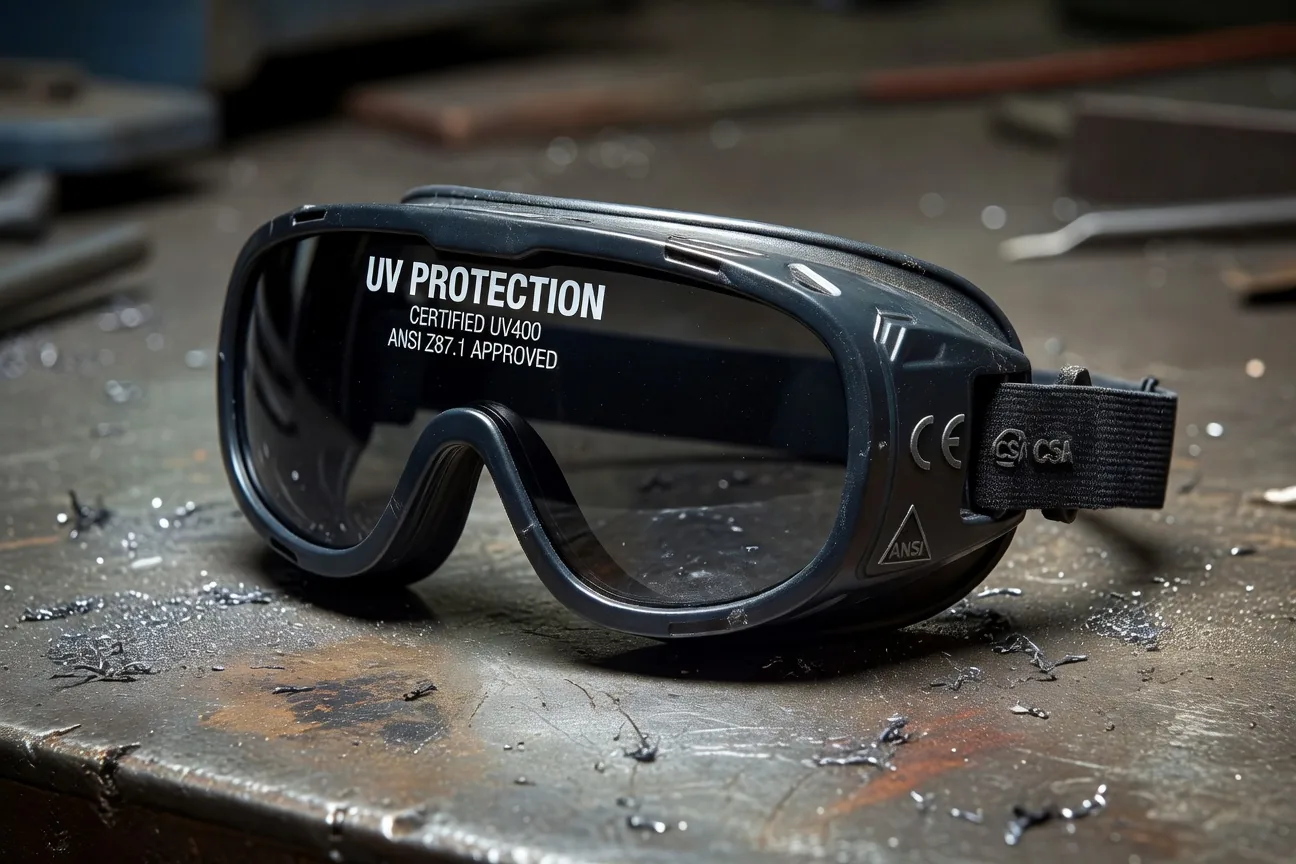
Welding Goggles

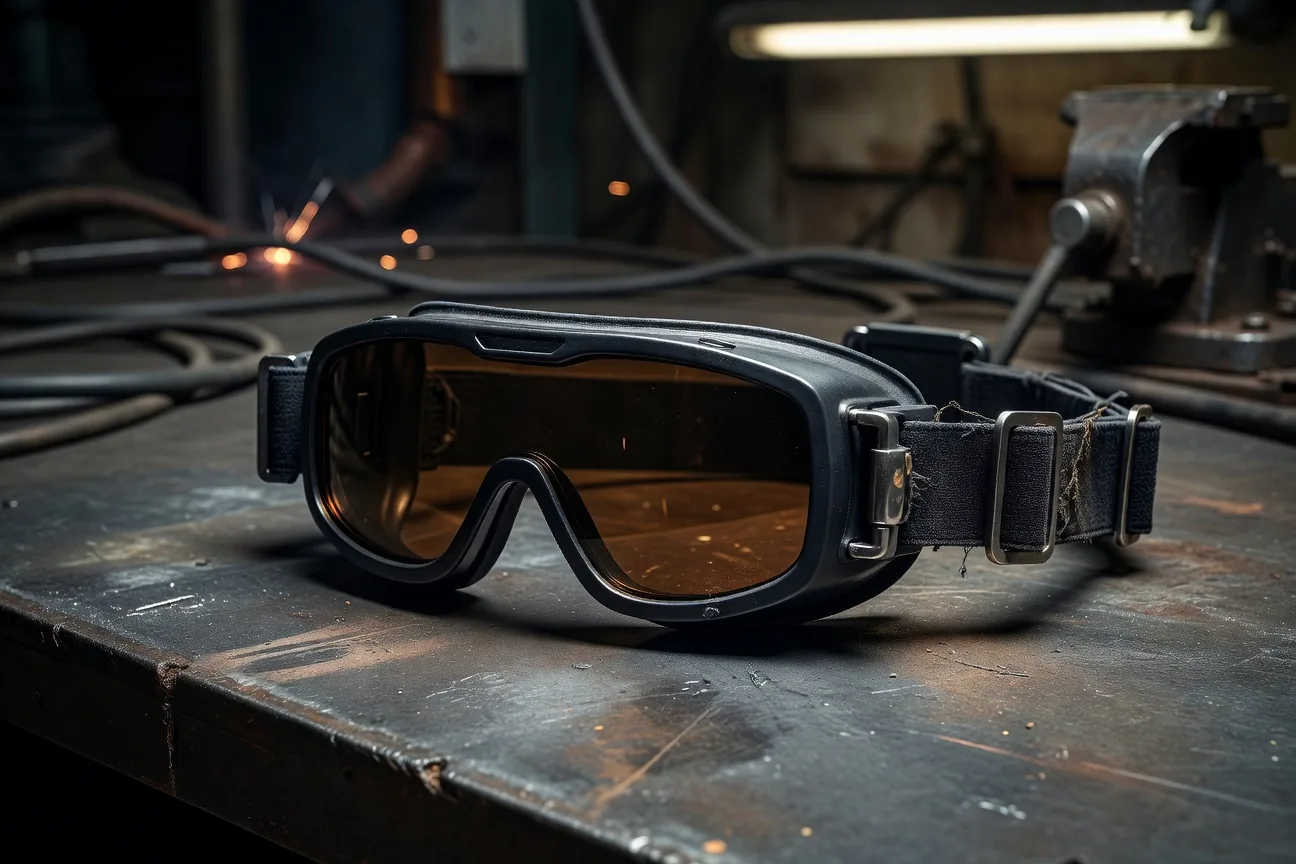
Goggles provide a close-fitting form of eye protection suitable for gas welding, brazing, and cutting operations. They offer a sealed fit that helps prevent arc flash exposure from the sides.

  • Available with fixed or flip-front lenses
  • Direct and indirect ventilation designs
  • Typically used for oxy-fuel processes
  • Shade range typically 4–8 for gas welding
Welding Helmets

Welding Helmets

Helmets cover the face and neck, integrating a filter lens into a rigid shell. They are standard protection for arc welding processes and available in passive and auto-darkening configurations.

  • Passive (fixed shade) or auto-darkening lens
  • Shade range typically 9–14 for arc welding
  • Head-mounted for hands-free operation
  • Various shell sizes and viewing area options
Face Shields

Face Shields

Face shields protect the full face from flying debris and spatter during grinding, chipping, and cleaning operations. They are typically used with additional eye protection underneath.

  • Not typically used as sole welding arc protection
  • Clear or tinted lens options available
  • Used for post-weld grinding and chipping
  • Attaches to headgear or worn over hard hat

Welding PPE Overview Table

Equipment Category Primary Function Common Applications Typical Materials
Welding Helmet Eye, face, neck protection from arc radiation and spatter MIG, TIG, Stick arc welding Nylon / Composite
Welding Goggles Eye protection from radiation, debris, and flash Gas welding, brazing, plasma cutting Polycarbonate / Glass
Face Shield Face protection from flying debris Grinding, chipping, weld cleaning Polycarbonate
Welding Gloves Hand protection from heat, spatter, and UV All arc welding processes Leather
Welding Jacket / Apron Body protection from spatter and heat General welding operations Leather / FR Fabric
Respiratory Protection Filtration of welding fumes and gases Welding in enclosed/limited ventilation spaces Various Filter Media
Safety Footwear Foot protection from falling objects and spatter General workshop environments Leather / Steel Toe
Hearing Protection Noise reduction in high-decibel operations Grinding, heavy fabrication Foam / Earmuff
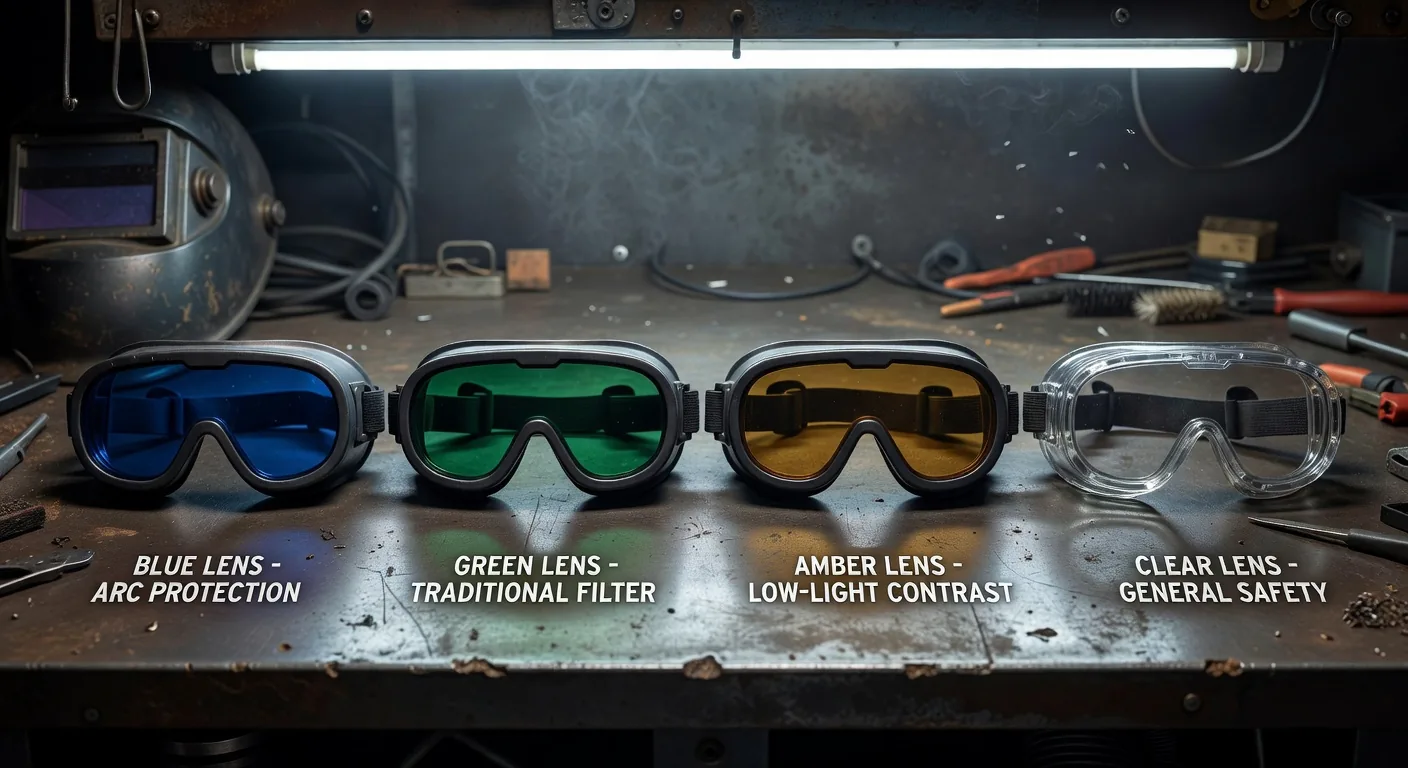
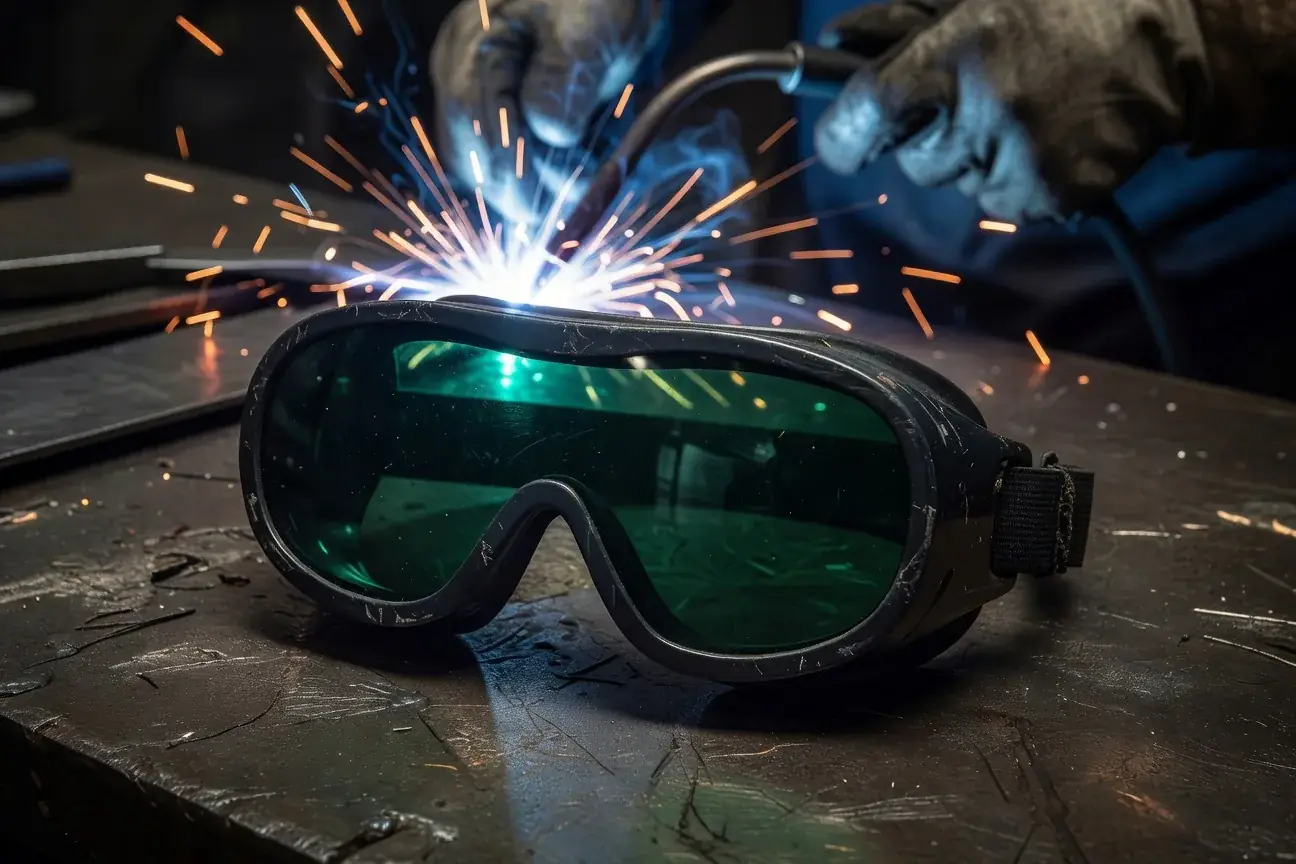
Welding goggles available in various colors and styles

Protective Equipment Comes in Many Forms

Welding protective equipment is manufactured in a wide range of designs, materials, and configurations to address different application requirements, user preferences, and workplace environments.

Variation in design does not automatically indicate variation in protection level — equipment should be evaluated based on applicable safety certifications and suitability for the specific task, regardless of appearance.

Comfort and Fit

Equipment that fits well and is comfortable is more likely to be used consistently and correctly. Consider adjustability when reviewing equipment options.

Task-Specific Design

Different welding tasks may require different equipment configurations. Goggles suited for gas welding may differ from those appropriate for arc processes.

General PPE Maintenance Considerations

Maintaining protective equipment in serviceable condition is an important aspect of workplace safety practice.

General PPE Maintenance Considerations

Pre-Use Inspection

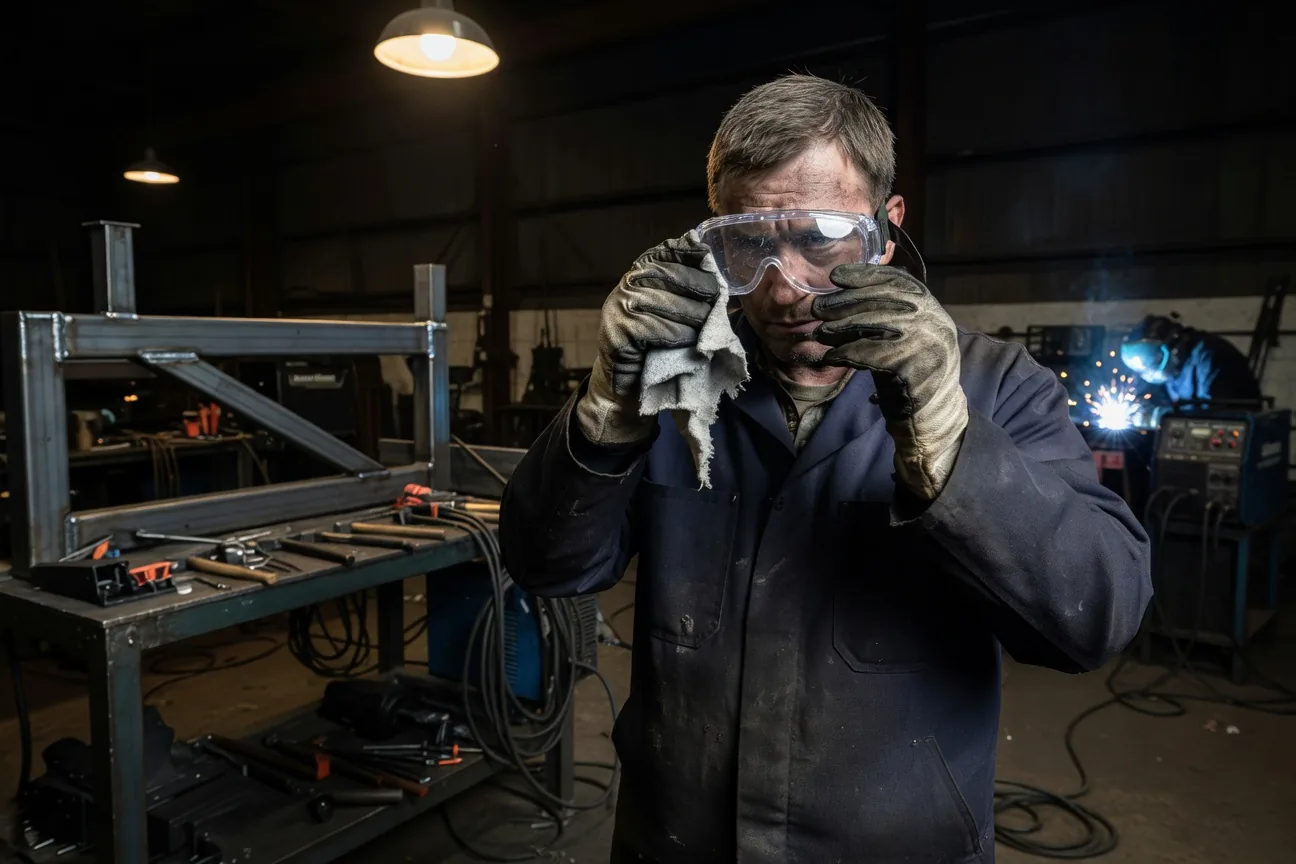
Inspect equipment before each use for cracks, tears, lens damage, or worn adjustment mechanisms.

Pre-Use Inspection

Cleaning

Follow manufacturer cleaning guidelines. Use appropriate materials for lens surfaces to avoid scratching optical coatings.

Pre-Use Inspection

Storage

Store PPE in clean, protected locations away from direct sunlight, extreme temperatures, and chemical exposure when not in use.

Cleaning

Replacement

Replace damaged or worn PPE components according to manufacturer recommendations. Do not continue using compromised equipment.

Explore Educational Content on Proper Gear Usage

Learn about correct gear fitting, visibility tips, and recommended practices for welding PPE.