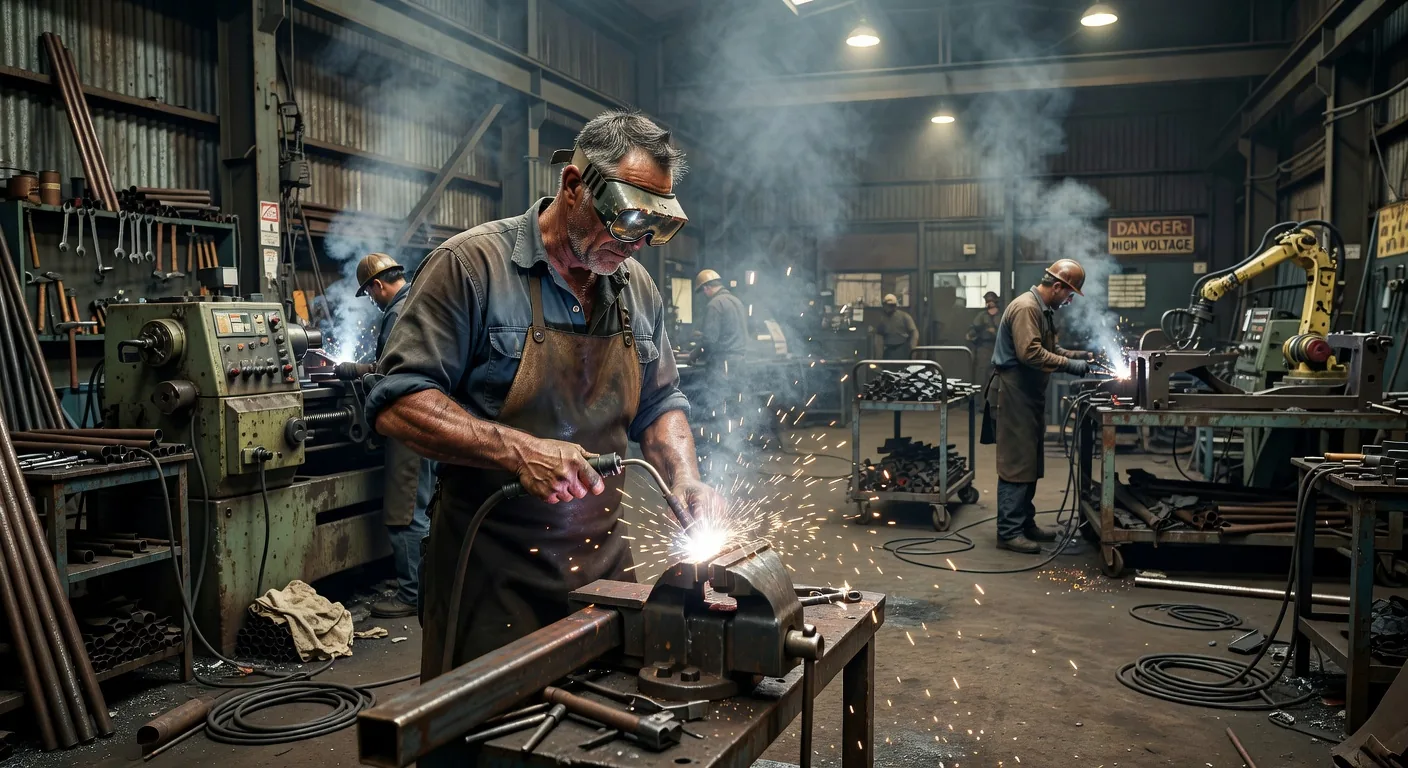
Optical Clarity
A clean, undamaged lens provides clearer viewing of the weld pool and work area. Regularly inspect and clean lenses according to manufacturer instructions to maintain optical quality.
Detailed guides covering proper protective gear usage, visibility and comfort considerations, and industrial safety recommendations for welders and workshop personnel.
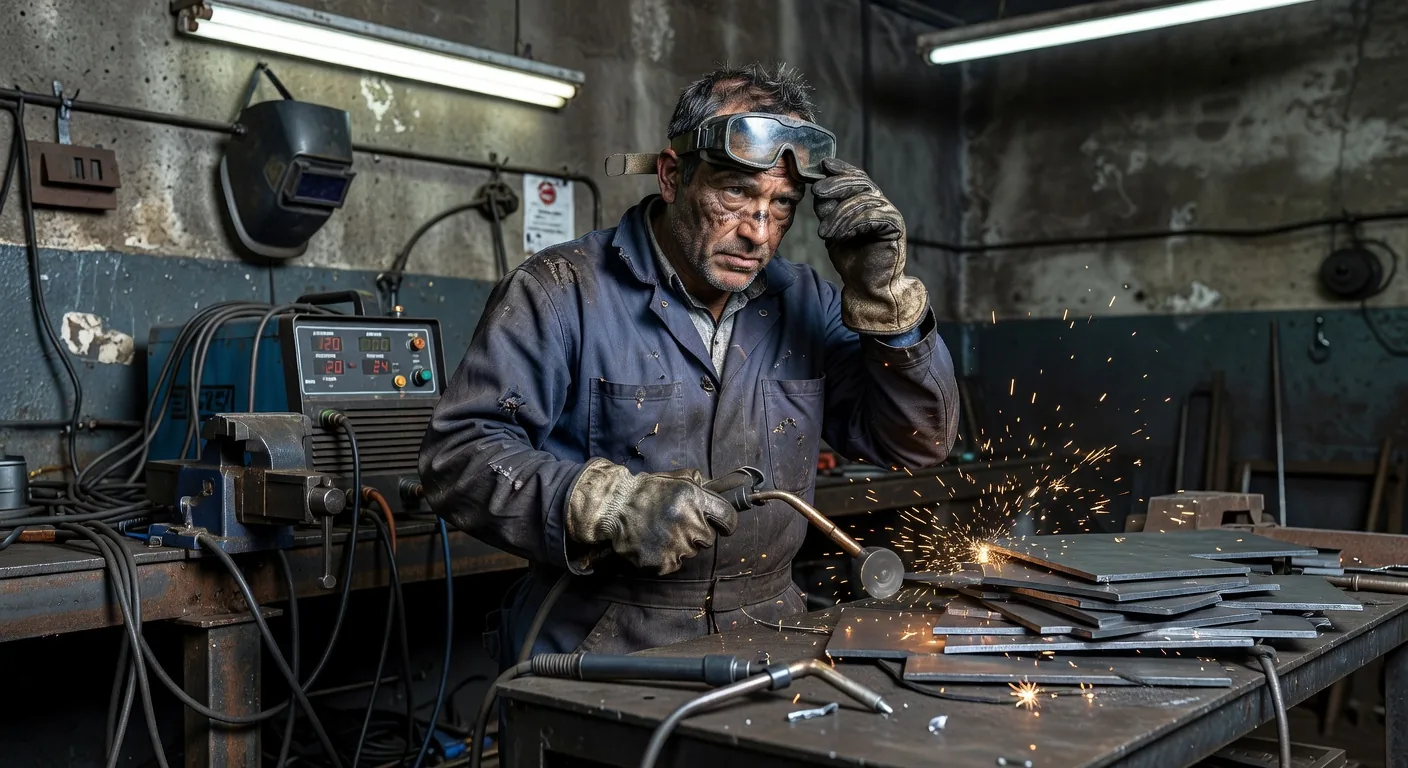
Understanding how to correctly wear and use protective equipment is as important as having the right equipment. Improperly worn PPE may not provide the level of protection it is designed to offer.
Check all components — lenses, frames, headgear, and straps — for visible damage, wear, or contamination before starting work.
Headgear, straps, and nose bridges should be adjusted to achieve a secure fit without excessive pressure. Equipment that fits properly stays in position during movement.
Confirm the lens shade is appropriate for the process being performed before beginning work. Reference applicable shade guidelines or consult your safety manager.
Protective equipment should be worn throughout the relevant work — not only during peak arc exposure moments. Flying debris, spatter, and UV can occur at any point during the task.
Clean and properly store equipment after each use to maintain its condition for the next use and extend its serviceable life.
Comfortable, well-fitting equipment with clear optics supports better awareness of the work area and reduces distractions during welding tasks.
A clean, undamaged lens provides clearer viewing of the weld pool and work area. Regularly inspect and clean lenses according to manufacturer instructions to maintain optical quality.
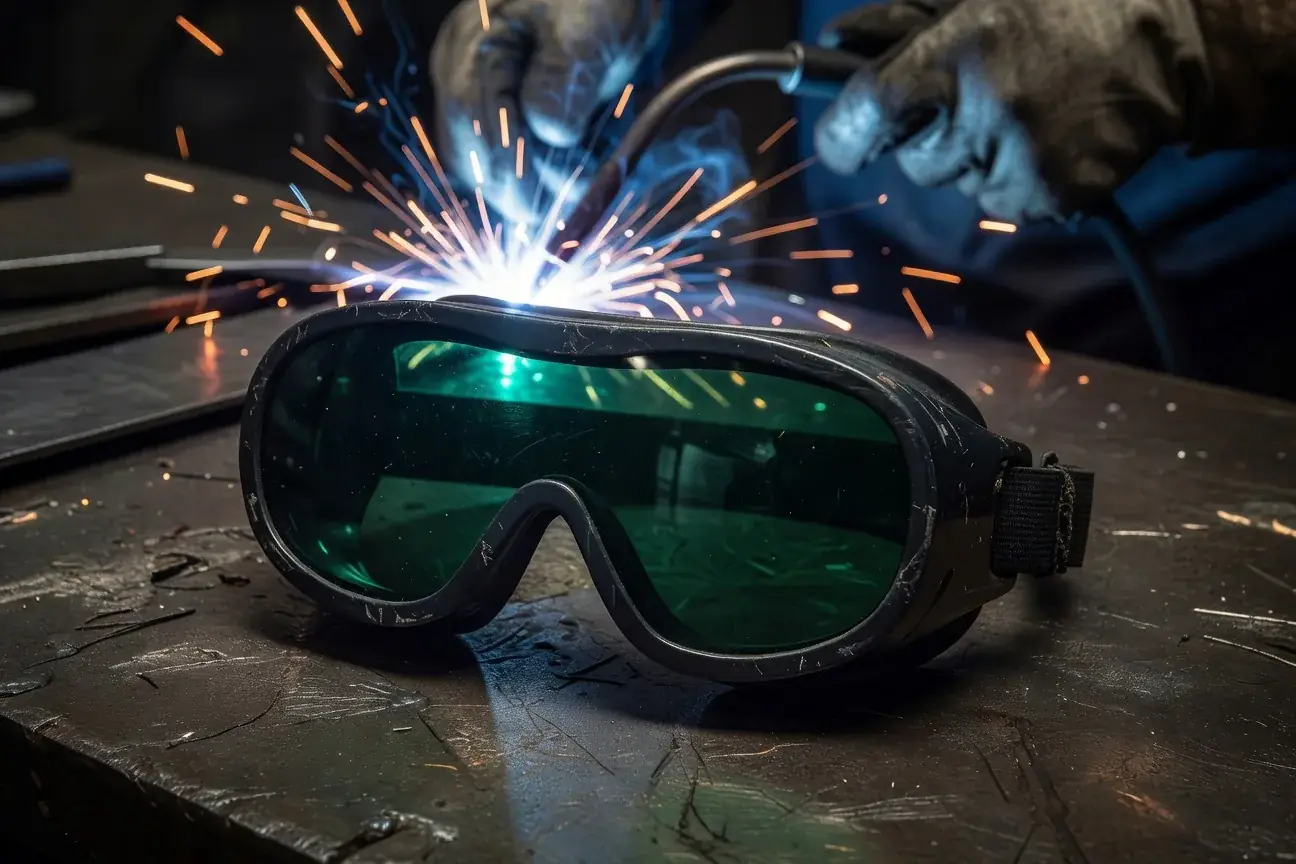
Fogging can reduce visibility and lead to discomfort during welding. Some goggles feature anti-fog coatings or ventilation designs that help reduce condensation on the inner lens surface.
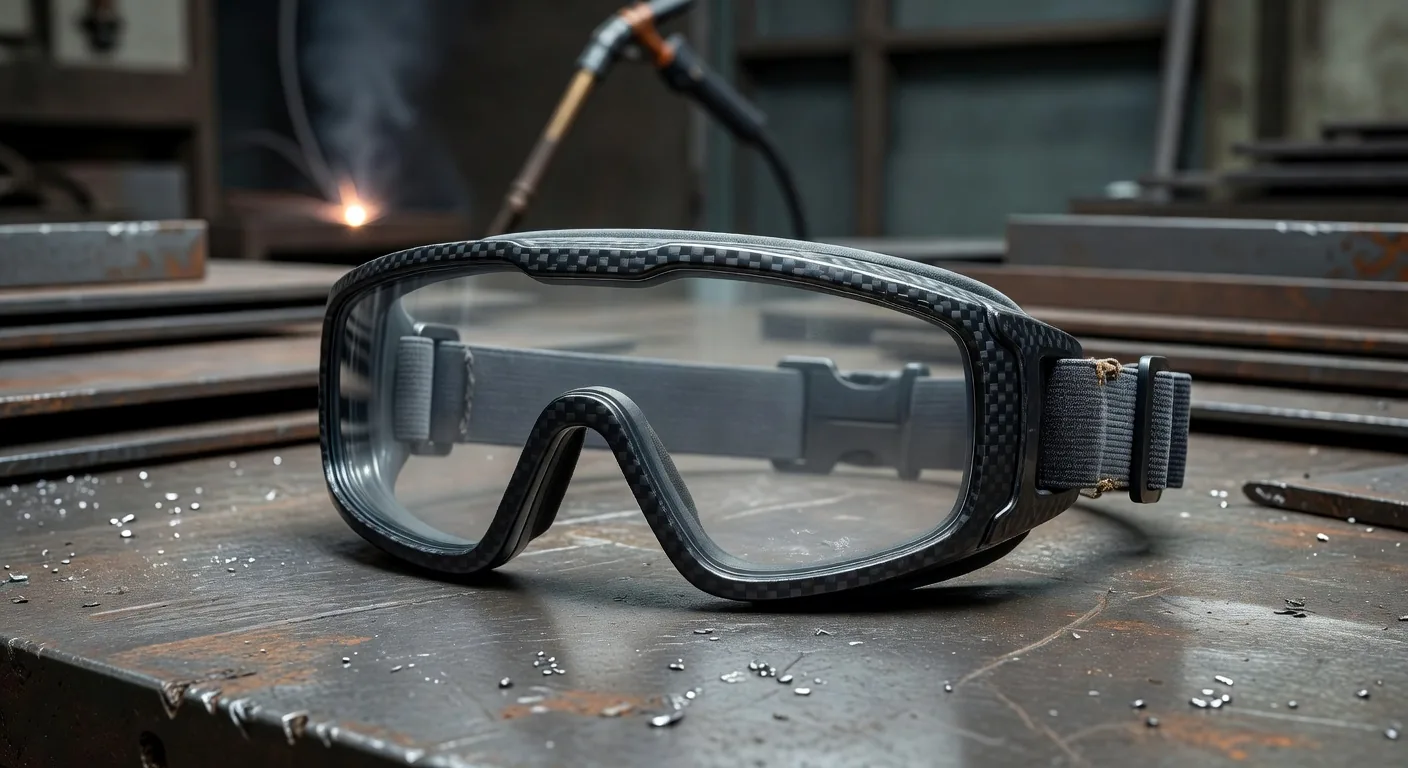
Lighter and well-balanced helmets reduce neck fatigue during extended use. Try different headgear adjustment positions to find the most comfortable balance point for your head shape.
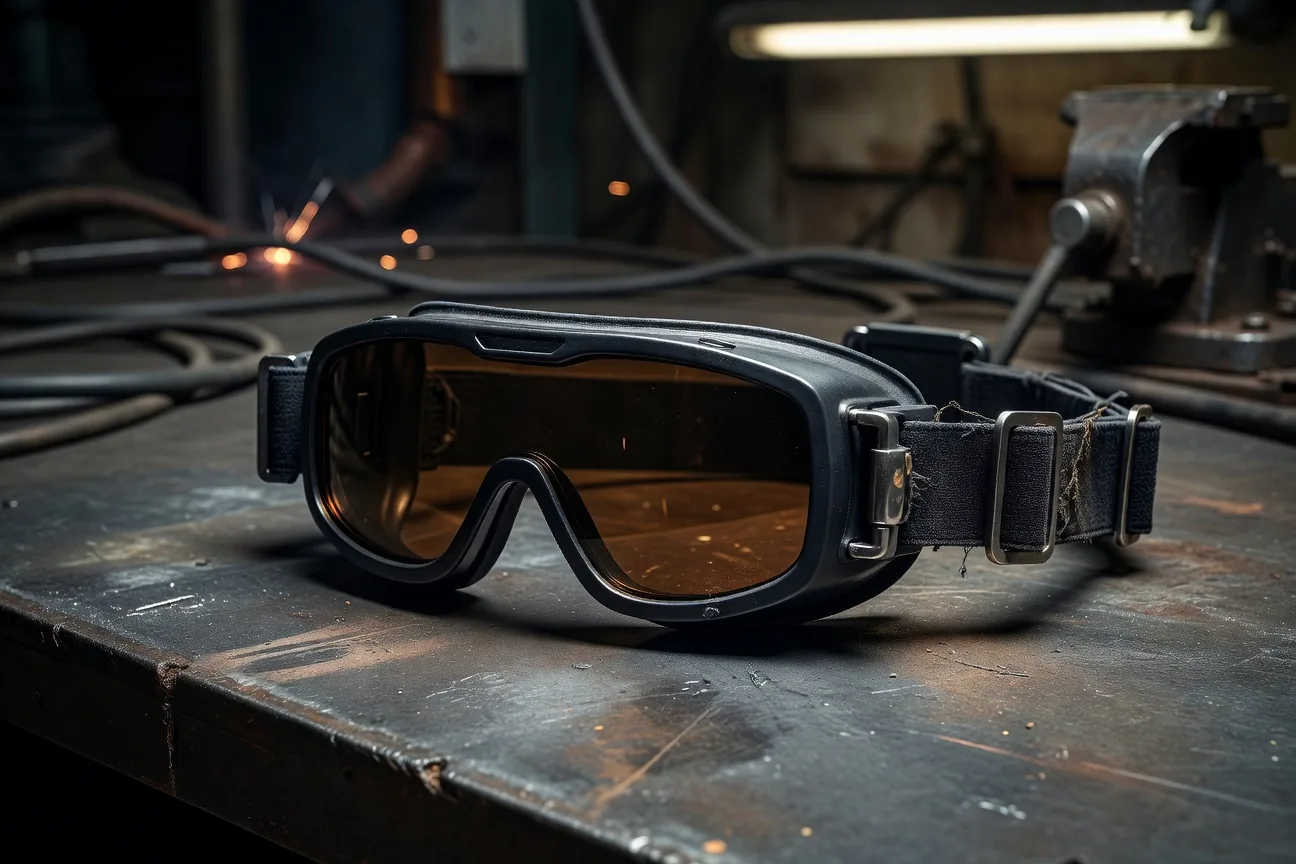
A larger viewing area allows more of the work environment to be visible through the lens. This can be particularly helpful when working on complex joint positions or in confined spaces.
Auto-darkening helmets with variable shade controls allow adjustment between tasks. Setting an appropriate shade for each process improves visual comfort without compromising protection.
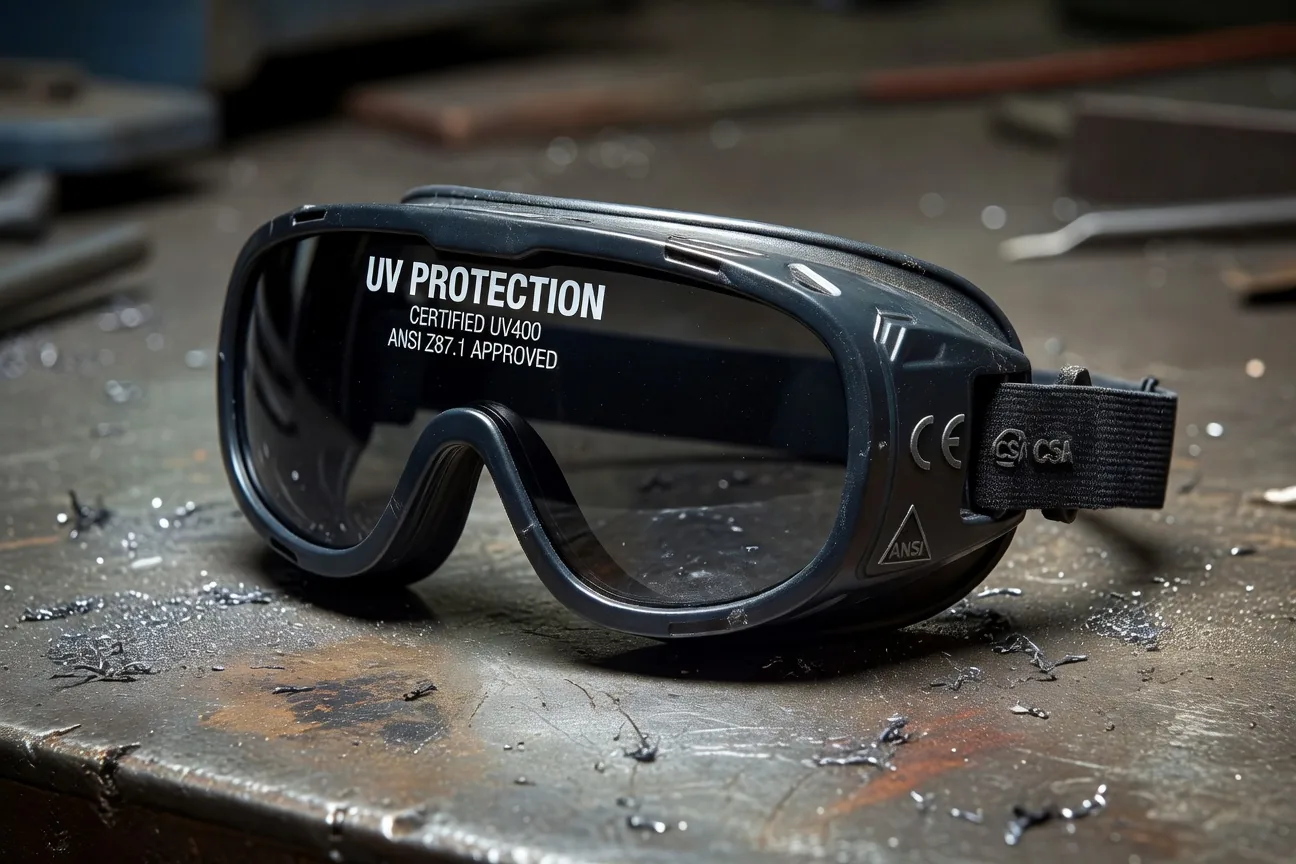
Foam padding and sweat bands in helmet headgear affect comfort during extended use. Replaceable liner components can be cleaned or swapped to maintain hygiene and comfort.
Fit is a fundamental consideration for protective eyewear. Equipment that doesn't fit well may shift during movement, creating gaps that reduce effectiveness or causing discomfort that discourages consistent use.
Adjust straps to hold eyewear securely without creating excessive pressure on the nose bridge or temples. Straps should feel snug but comfortable.
Adjustable nose bridges allow the eyewear to sit at an appropriate position relative to the eyes for correct optical alignment and coverage.
For direct-ventilation goggles, the frame should form a reasonably close seal around the face to limit ingress of debris or spatter from the sides.
These general recommendations reflect common themes in welding safety education. They are informational and do not substitute for workplace-specific safety training.
| Area | General Recommendation | Reason |
|---|---|---|
| Eye Protection | Select lens shade appropriate to the specific welding process | Different processes generate different radiation intensities |
| PPE Inspection | Inspect all protective equipment before each use session | Damaged equipment may not perform as designed |
| Workplace | Maintain clear, organized workspaces with designated storage areas | Organization reduces hazard exposure and improves PPE compliance |
| Ventilation | Ensure adequate fume extraction for the welding process used | Different materials and processes generate different fume compositions |
| Training | Ensure personnel are familiar with equipment use and local safety requirements | Knowledge of correct usage supports consistent PPE compliance |
| Maintenance | Follow manufacturer maintenance schedules and replacement recommendations | Regular maintenance keeps equipment in serviceable condition |
| Bystanders | Use welding screens/curtains in shared workspaces | Arc flash can affect nearby personnel not directly involved in welding |
| Documentation | Keep records of equipment inspections and maintenance activities | Documentation supports accountability and compliance tracking |