Home Eye Protection Helmet Guide Workshop Safety Equipment Safe Environments Educational Content About FAQ Contact
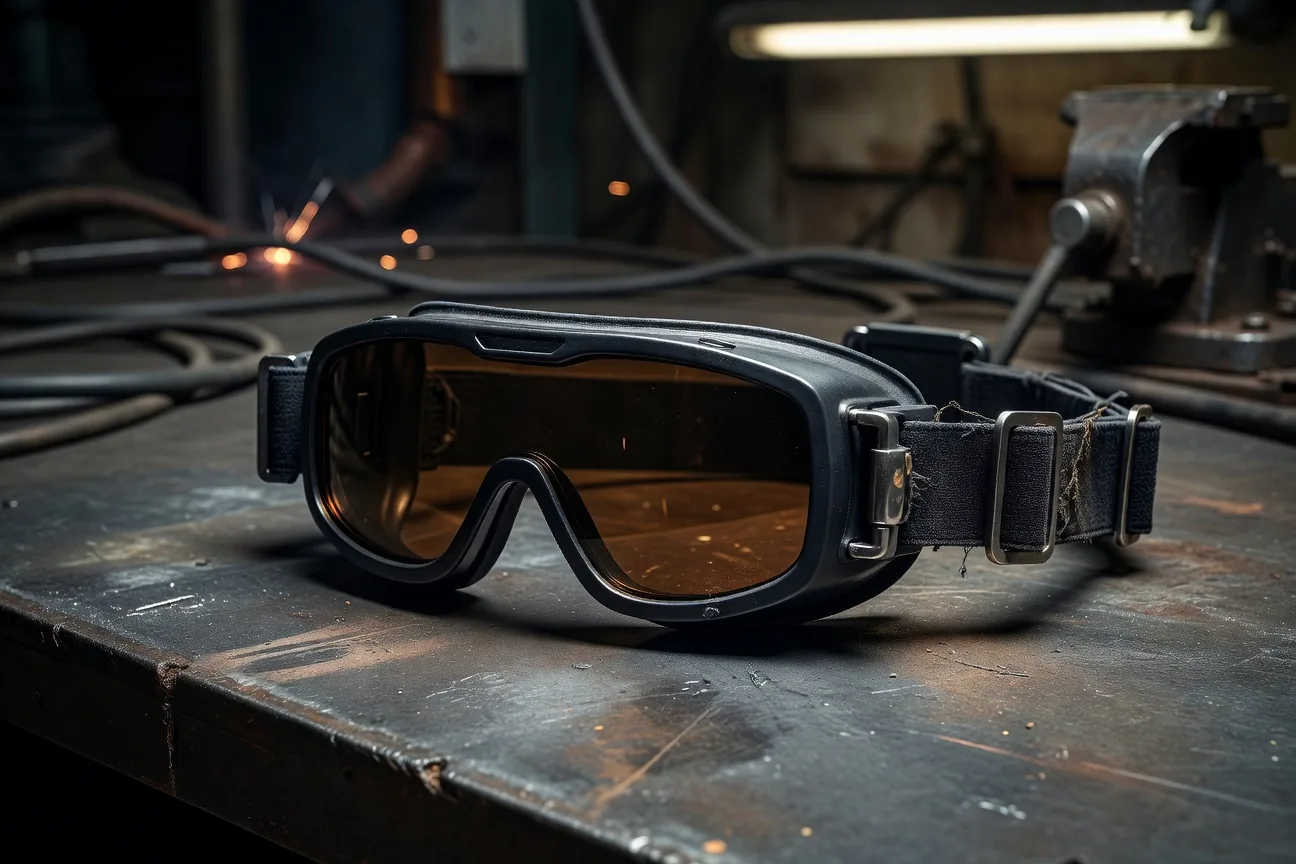
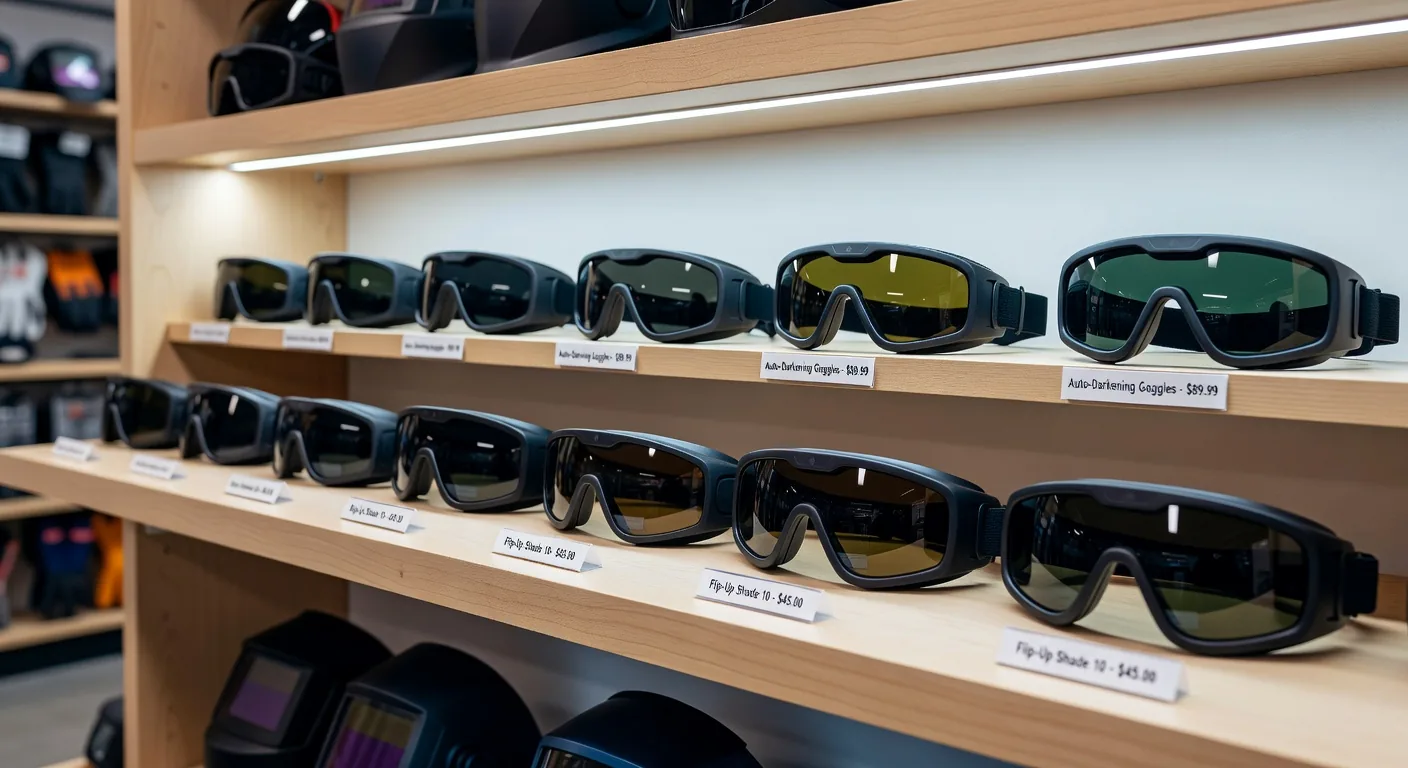
Safety goggles organized and displayed on a storage shelf

The Role of Organization in Welding Safety

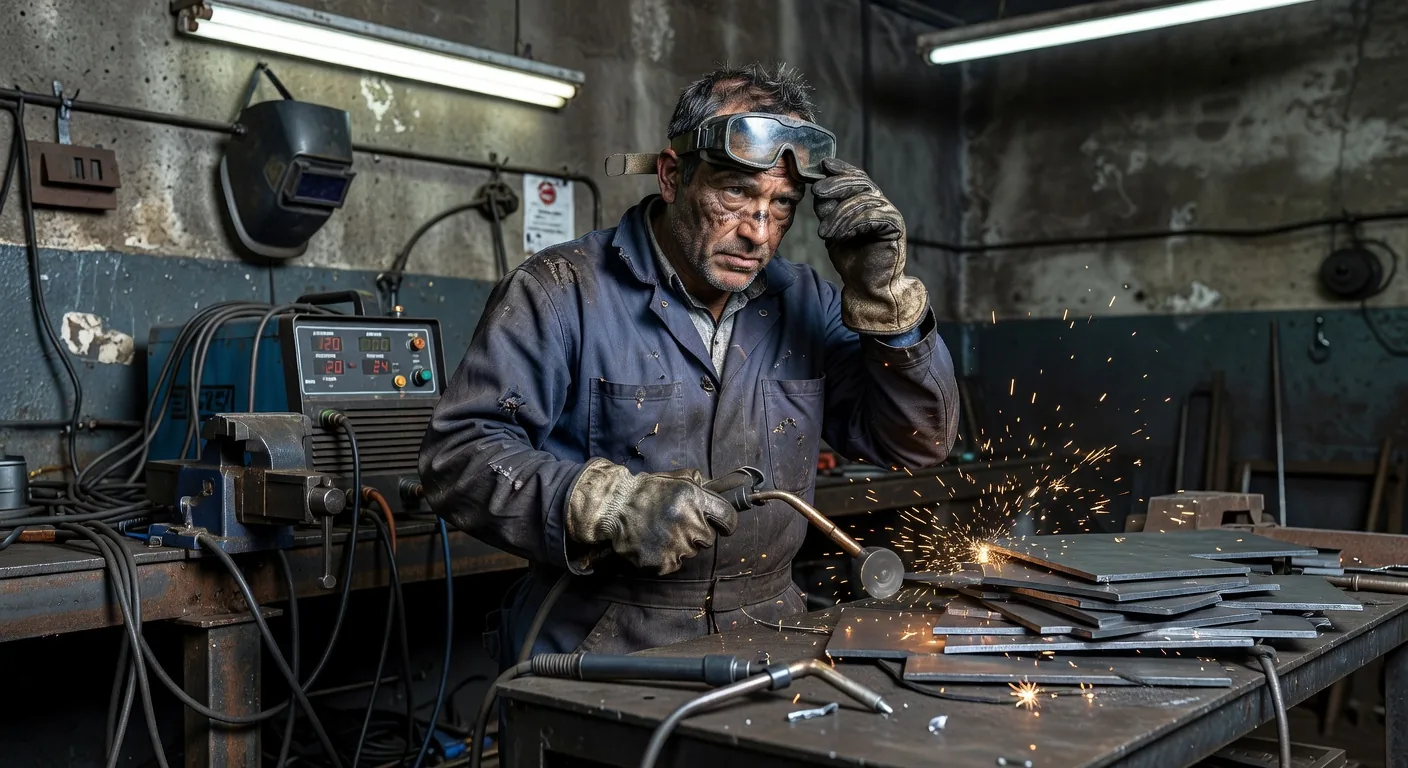
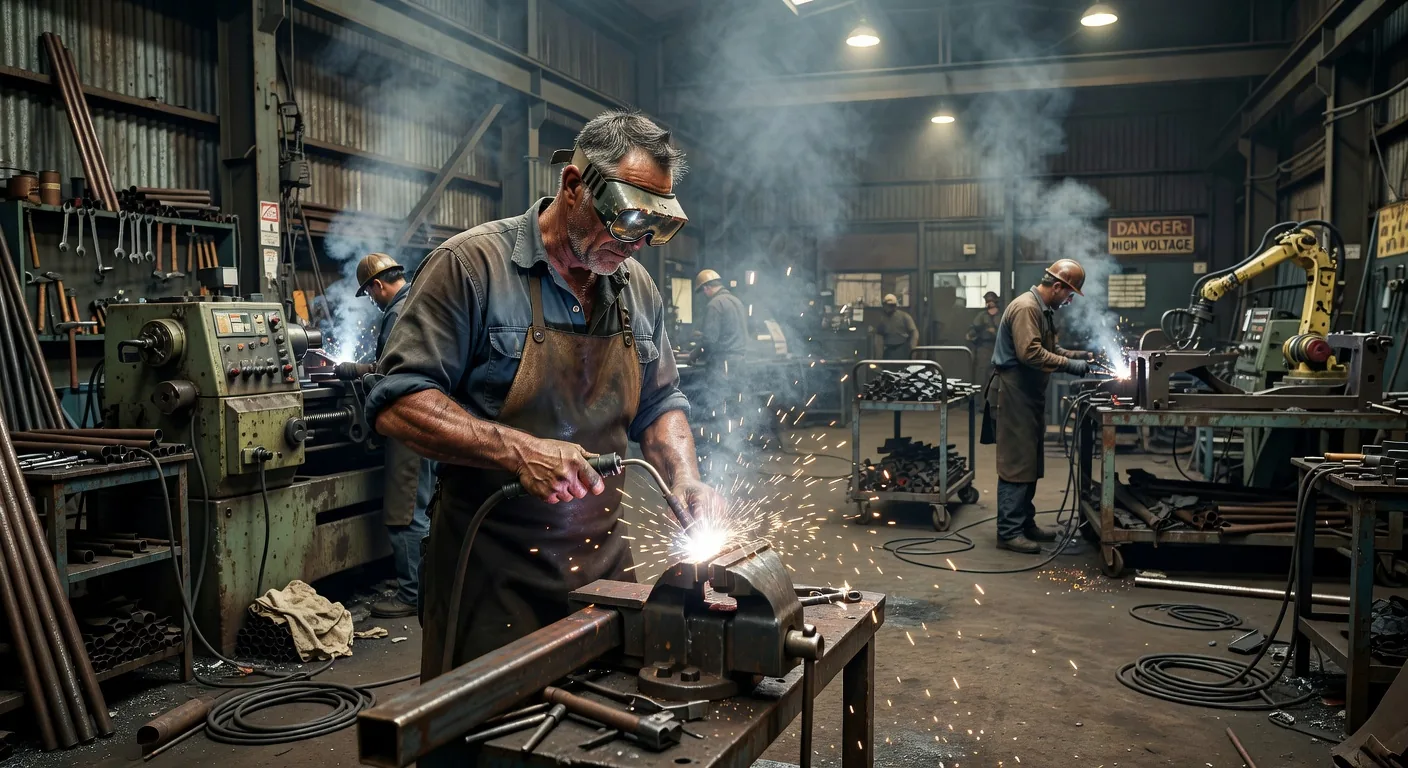
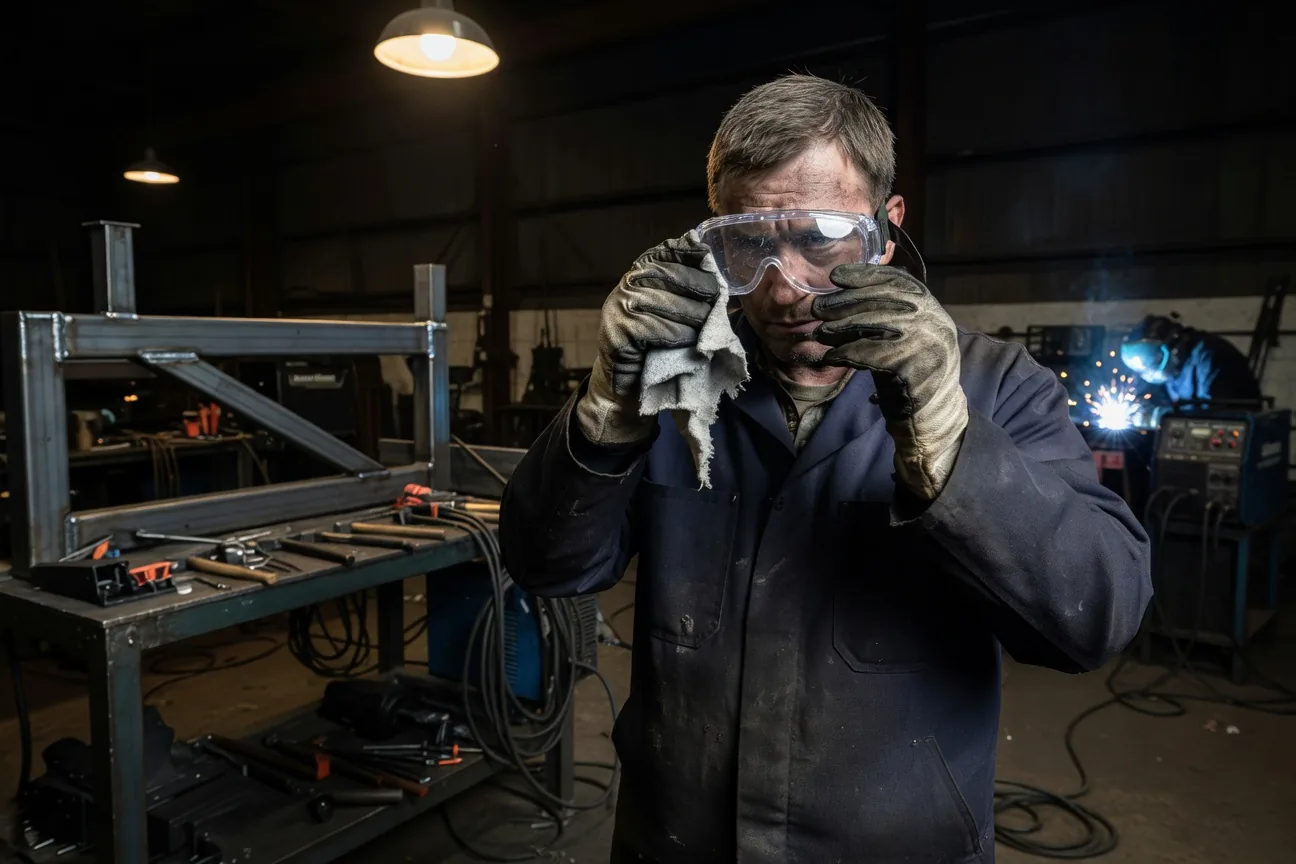
An organized welding workspace reduces the likelihood of confusion and accidental hazard exposure. When equipment is clearly stored, labeled, and accessible, workers can focus on the task at hand rather than locating materials or tools.

The following principles reflect common themes in industrial safety education regarding workspace organization and environment design.

  • Designated storage for all PPE items
  • Clear labeling of equipment zones and hazard areas
  • Consistent equipment return practices after use
  • Visible emergency equipment locations
  • Separation of clean and contaminated equipment areas
  • Adequate lighting throughout the workspace
Key Environmental Considerations

Environmental conditions in a welding workspace influence both equipment performance and worker comfort. Understanding these factors supports better workspace planning.

Key Environmental Considerations

Ventilation

Adequate airflow is important in welding environments to manage fume and gas concentrations. Local exhaust ventilation (LEV) systems capture emissions near the source, while general ventilation manages overall air quality in the workspace.

Ventilation

Lighting

Sufficient ambient lighting reduces eye strain during visual tasks and improves awareness of the work area beyond the arc. Supplemental task lighting may be useful in certain configurations.

Lighting

Temperature and Humidity

Environmental temperature can affect equipment performance (particularly auto-darkening helmets) and worker comfort during extended use. Some equipment has specified operating temperature ranges.

Temperature and Humidity

Noise Levels

Awareness of noise levels in the workspace helps determine whether hearing protection should be used alongside other PPE. Noise from grinders and other equipment can accumulate significantly over time.

Noise Levels

Housekeeping

Regular cleaning of the workspace — including floor surfaces, equipment surfaces, and storage areas — reduces slip and trip hazards and helps maintain equipment in serviceable condition.

Housekeeping

Electrical Environment

Proper grounding of welding equipment and keeping cables organized and inspected reduces the risk of electrical hazards. Cable management also reduces tripping hazards in the workspace.

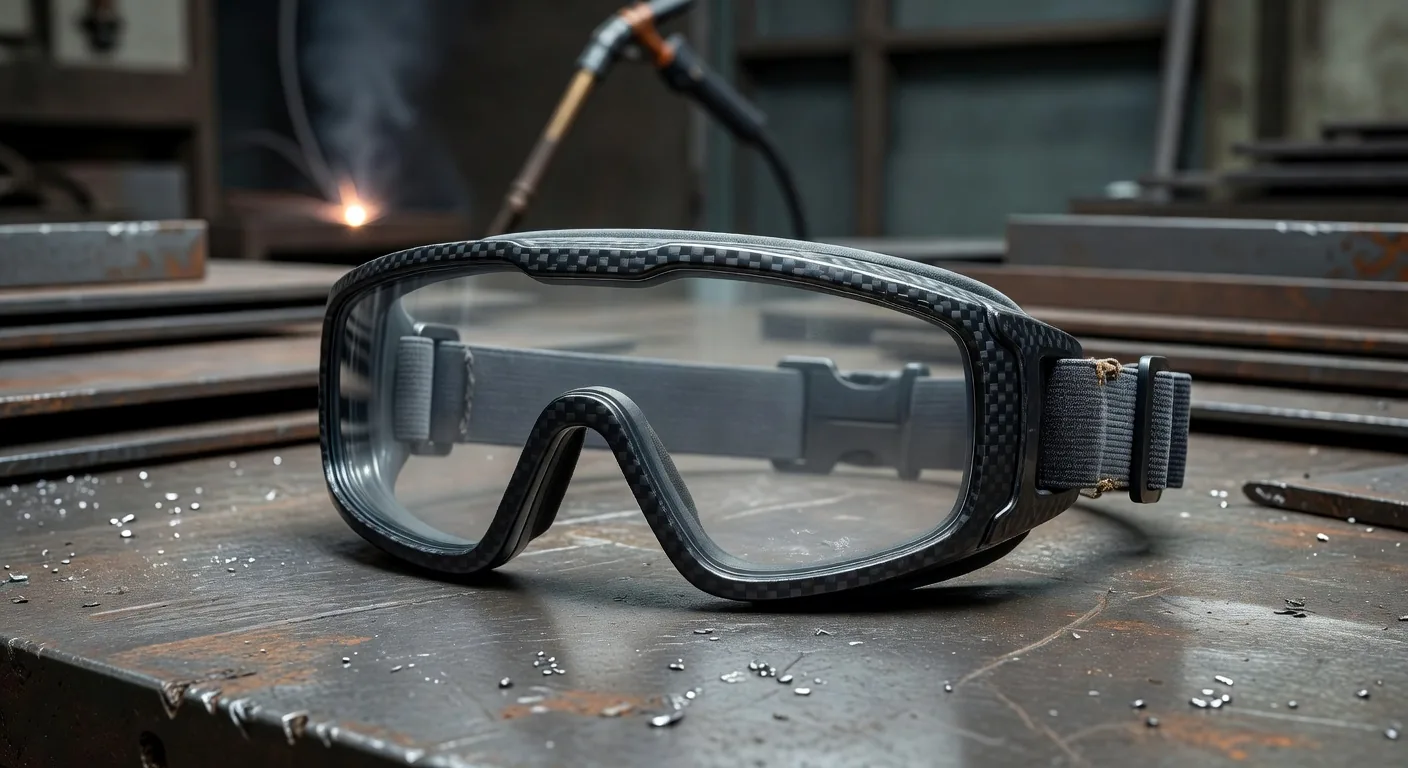
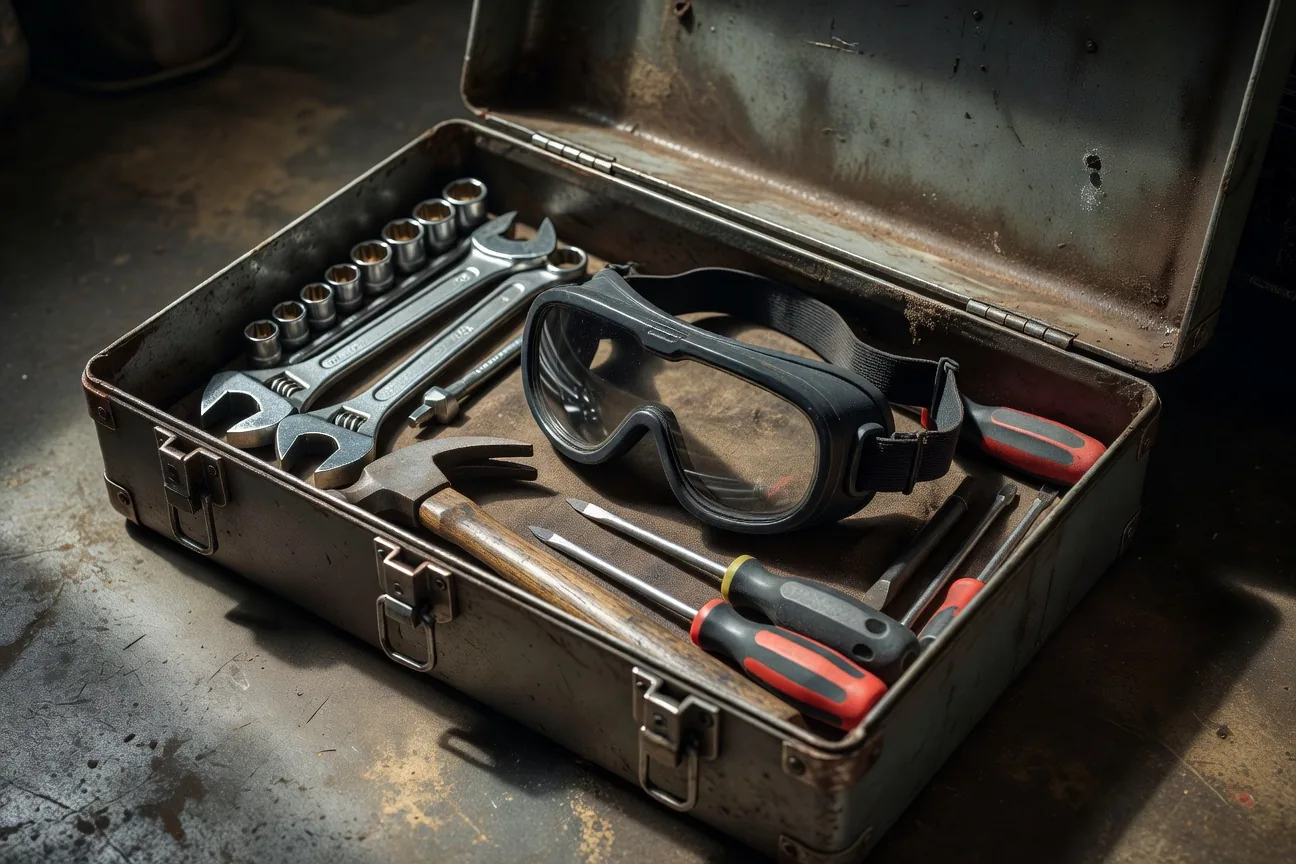
Welding goggles properly stored in a toolbox

Proper Storage of Protective Equipment

How protective equipment is stored between uses affects its condition and longevity. Equipment that is damaged through improper storage may not perform as intended when next used.

1

Use Protective Cases

Store goggles and helmets in cases or bags to protect lens surfaces from scratches and dust accumulation when not in use.

2

Avoid High Heat Areas

Store equipment away from hot surfaces, direct sunlight, or areas with extreme temperature fluctuations that could affect lens materials.

3

Separate from Chemicals

Keep protective equipment away from solvents, lubricants, and other chemicals that may degrade lens coatings or frame materials.

4

Designated PPE Location

Having a consistent, designated location for PPE storage encourages regular use and makes it easier to verify that equipment is available and in good condition.

Ergonomic Considerations in Welding Environments

Ergonomic awareness helps reduce physical strain during extended welding sessions and contributes to more sustainable working habits.

Ergonomic Considerations in Welding Environments

Work Position and Posture

Working at appropriate heights and angles reduces neck and back strain. Adjustable workbenches and positioning equipment can help achieve more comfortable working positions for different tasks.

Work Position and Posture

Equipment Weight Distribution

Helmet weight and how it distributes across the headgear system affects neck fatigue during extended use. Well-balanced headgear systems are a relevant consideration when evaluating helmet options.

"A workspace that is well-organized and ergonomically thoughtful supports both safety and sustained productivity. Small environmental improvements can have meaningful cumulative effects on worker comfort."

— Welder Safety Goggle Helmet Educational Resource
LEV Local Exhaust Ventilation
5S Industrial Organization Method
PPE Personal Protective Equipment
SDS Safety Data Sheets Reference

Continue Exploring Safety Resources

Browse our educational guides on protective equipment, workshop safety practices, and welding eye protection.